
Dr Wessel Myburgh
Co-founder and CEO — a microbiologist and the primary inventor of Urobo's patented technology, leading technology development, strategy, and fundraising.
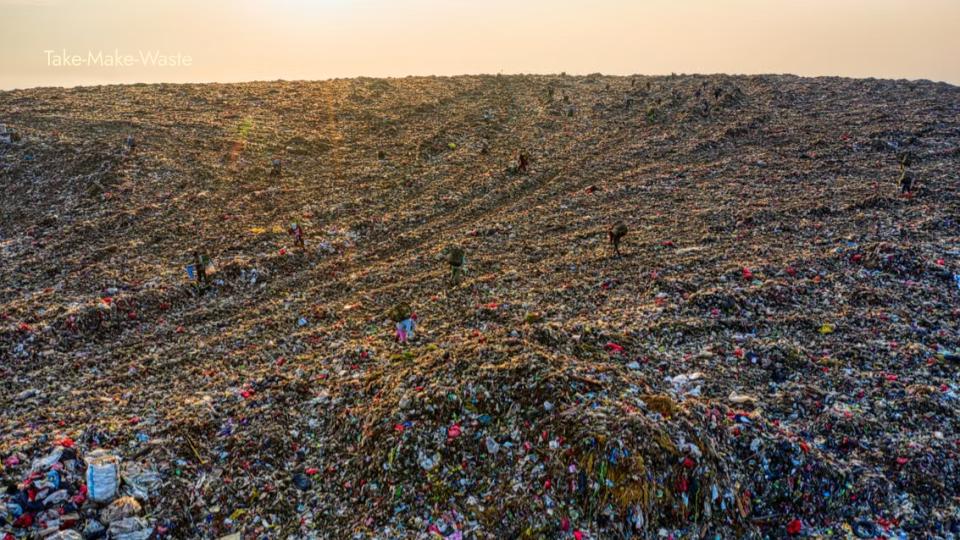
Circular Bioplastic Recycling
Transforming bioplastic-rich organic waste into high-value chemicals through enzymatic recycling, creating a circular pathway for the next generation of sustainable materials.
urobobiotech.comThe problem
As compostable plastics become more widely adopted, waste management facilities face growing volumes of bioplastic-contaminated organic waste that existing infrastructure cannot process effectively. These materials are often separated and sent to incineration, creating millions of dollars in disposal costs while destroying valuable resources that could be recovered and reused.
Urobo Biotech's approach
Urobo Biotech has developed a proprietary enzymatic and microbial platform that converts mixed bioplastic-rich organic waste into valuable chemical feedstocks, including lactic acid. Unlike conventional recycling technologies that require clean, sorted plastic streams, Urobo's process works directly with contaminated organic waste under mild operating conditions and integrates seamlessly with existing anaerobic digestion and composting facilities. Residual materials are returned to the host facility, increasing biogas production and compost quality while creating a truly circular production system.
Where it's used
Urobo is developing its first commercial deployments with industrial organic waste treatment facilities across Europe, particularly Italy, where compostable packaging adoption is high. The technology has already been validated through pilot collaborations with waste management partners and is designed to integrate directly into existing waste processing facilities without requiring major infrastructure changes.
Impact
Recovering valuable chemicals from waste reduces disposal costs, strengthens the circular economy, and helps accelerate the transition to sustainable materials.
Diverting waste from incineration
Converts bioplastic-rich waste streams into valuable products instead of sending them to landfill or waste-to-energy facilities.
Creating circular chemical supply chains
Produces recycled lactic acid that can be used to manufacture new bioplastics, reducing dependence on virgin fossil- or crop-derived feedstocks.
Improving waste facility performance
Increases biogas production and compost quality while creating new revenue streams for waste management operators.
Partners & ecosystem
Urobo works closely with waste management companies including ETRA SpA and BTS Biogas to validate its technology under real operating conditions. The company is also collaborating with industrial off-takers, engineering partners, investors, and research institutions as it prepares for demonstration-scale deployment. Its technology has received international recognition, including selection as the first South African team to reach the Hult Prize Global Finals and recognition among the Top 100 Inventions at Prototypes for Humanity at COP28.
The founding team
Co-founder and CEO — a microbiologist and the primary inventor of Urobo's patented technology, leading technology development, strategy, and fundraising.
Co-founder and COO — a biotechnology researcher completing a dual PhD between South Africa and Italy, leading commercialisation, international partnerships, fundraising, and operations.
More from the portfolio
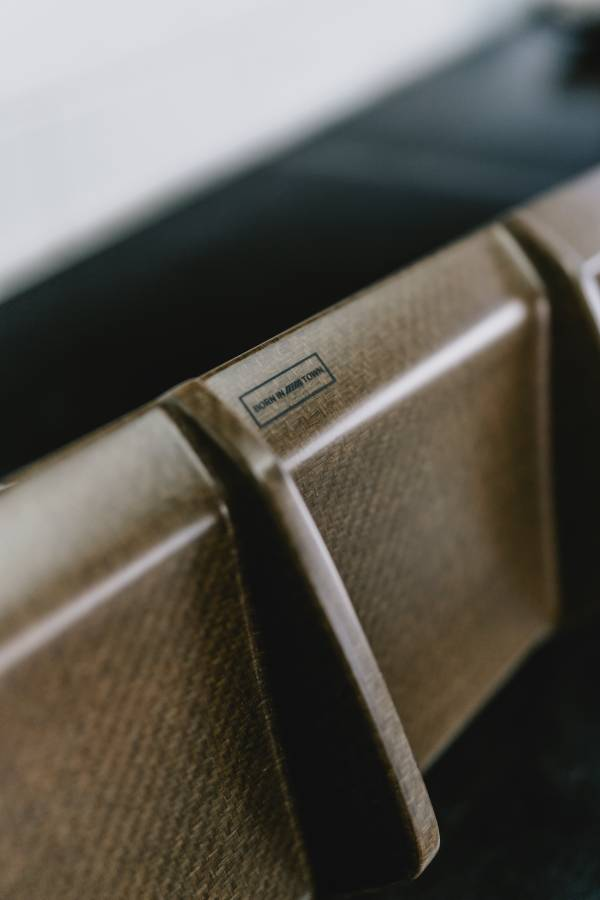
Hemp-fibre reinforced composites — a lower-carbon alternative to fibreglass and carbon fibre.
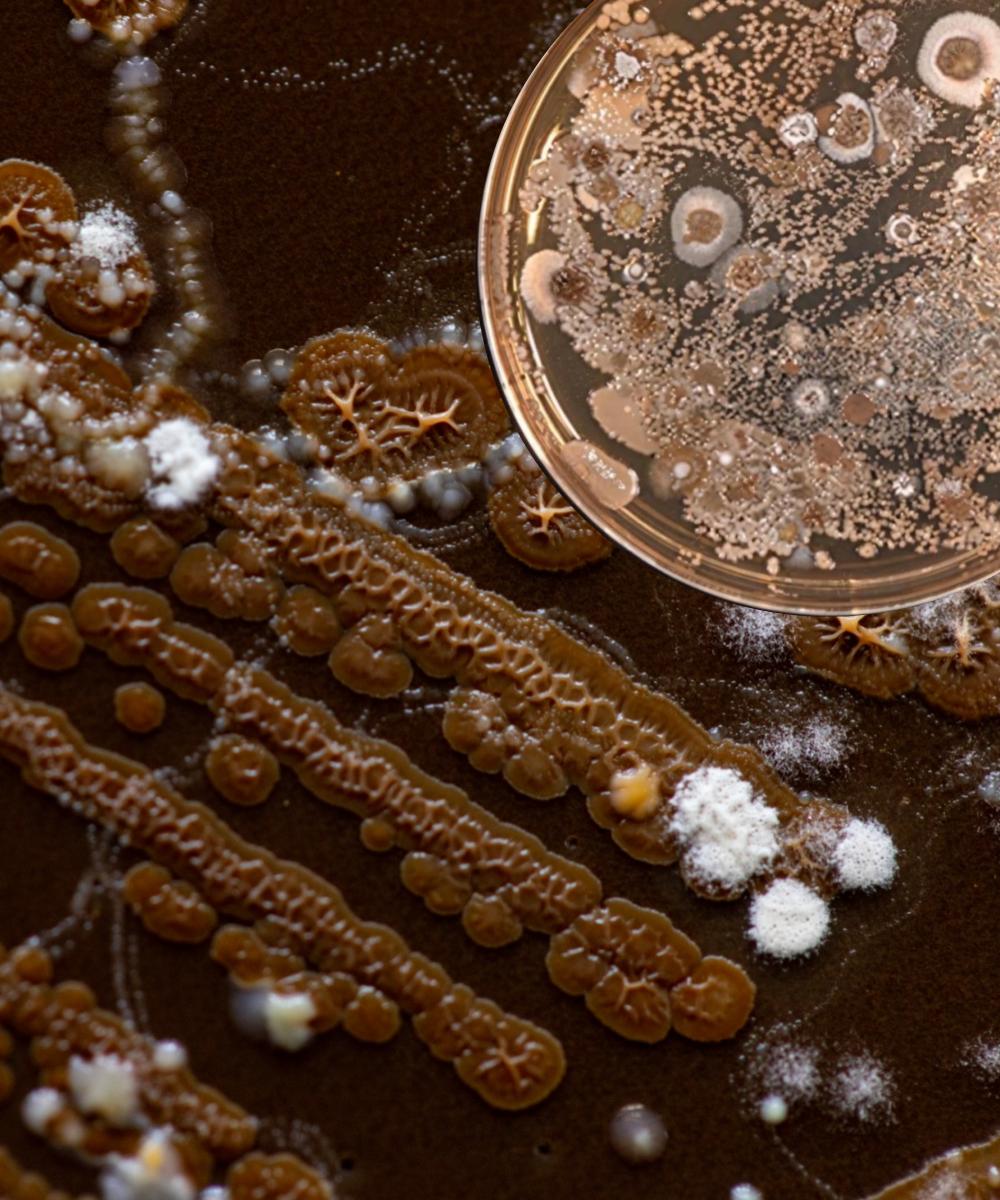
Microbial soil diagnostics and regenerative agriculture consulting for farmers.
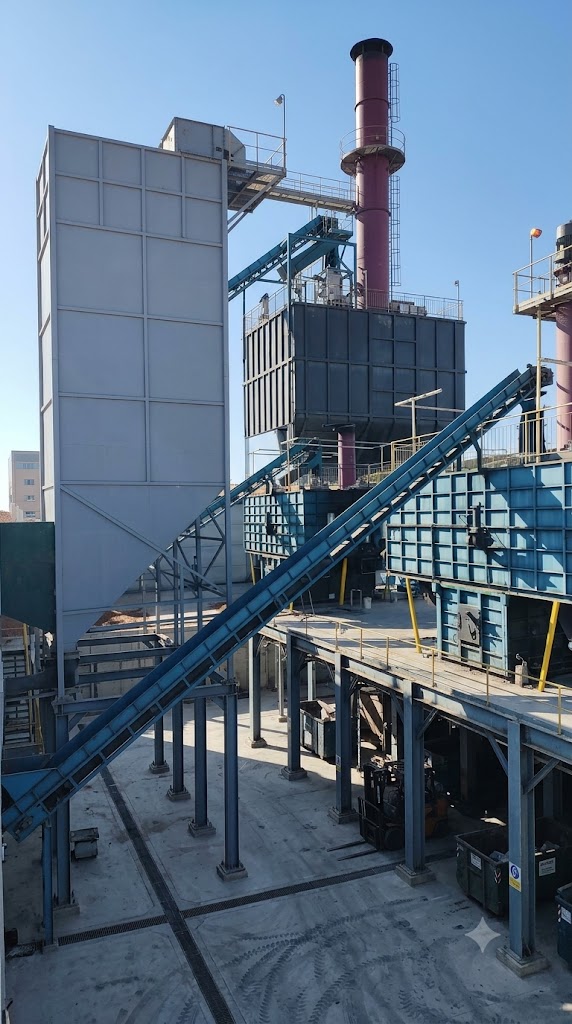
Biochar carbon removal — converting woody biomass into durable biochar, credits and heat.
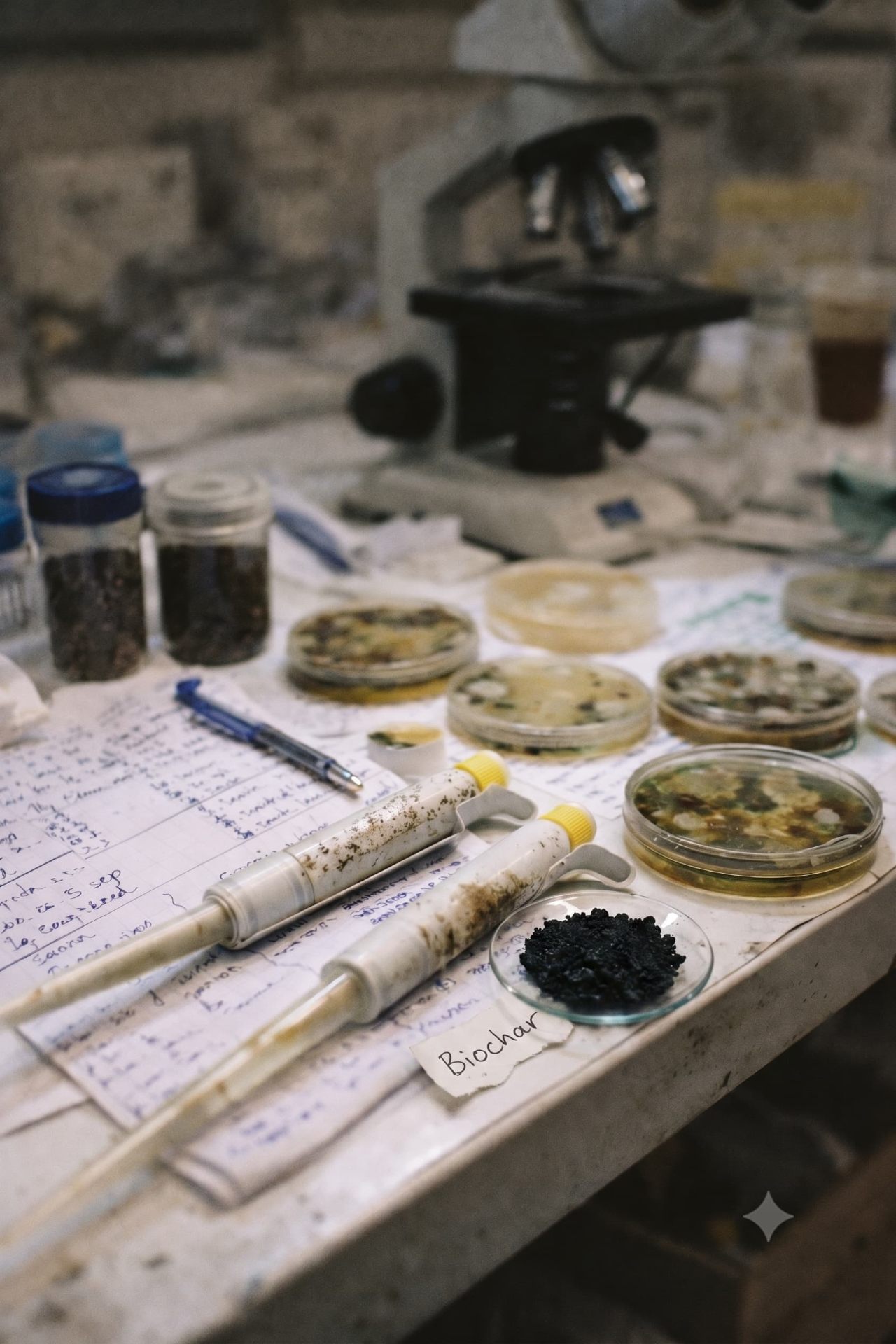
Locally adapted microbial–biochar restoration systems that rebuild soil health, strengthen water resilience, and restore degraded agricultural ecosystems.
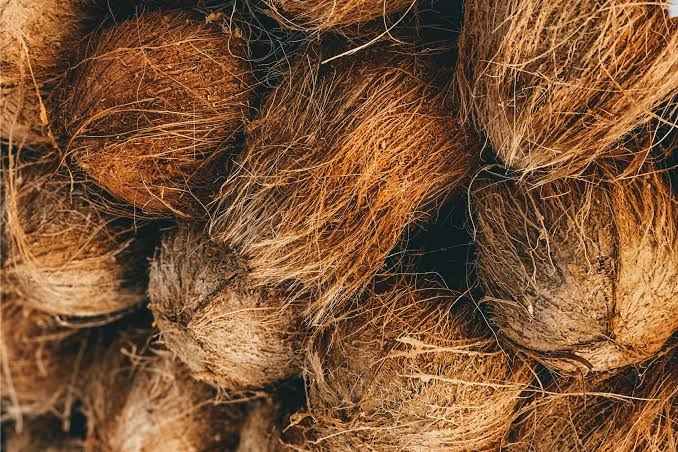
Binderless, formaldehyde-free engineered boards made from coconut husks and sugarcane bagasse.
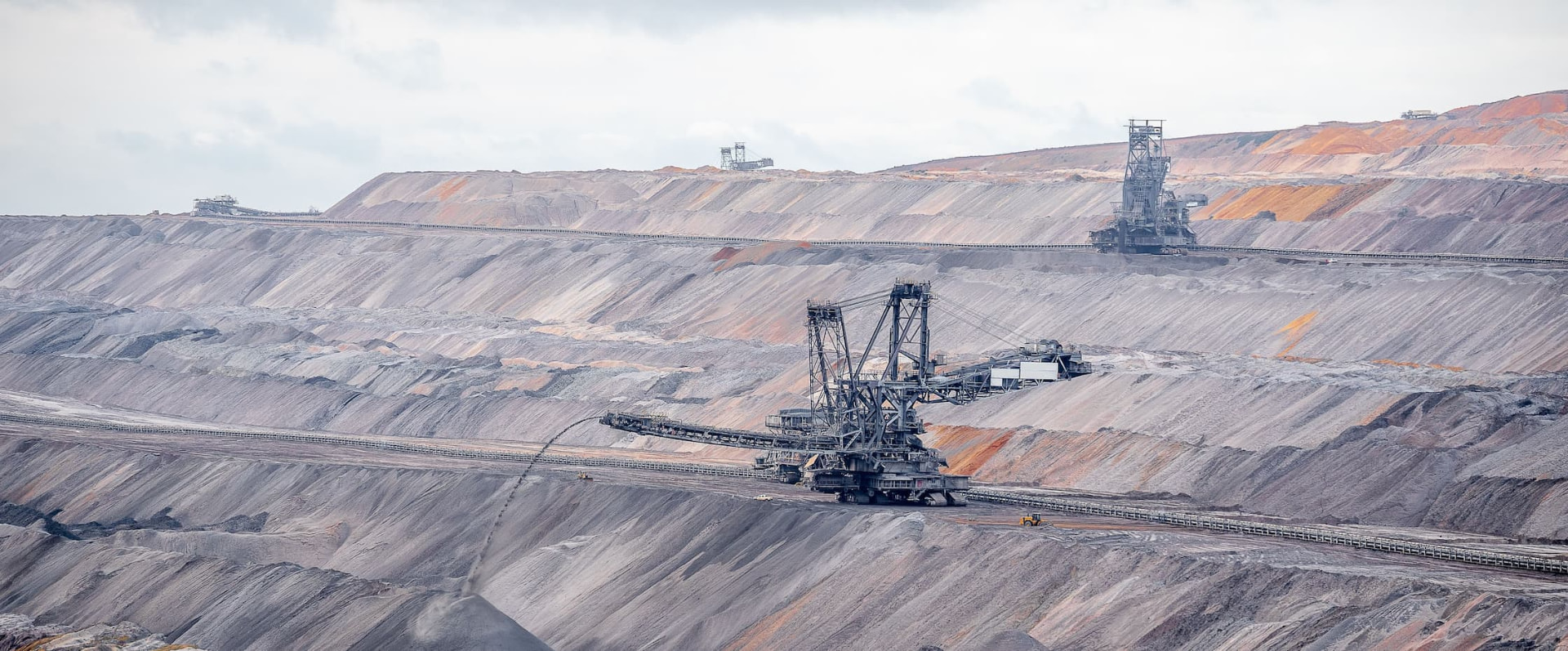
Natural soil amendments that transform mine tailings into regenerative agricultural inputs while recovering valuable resources.
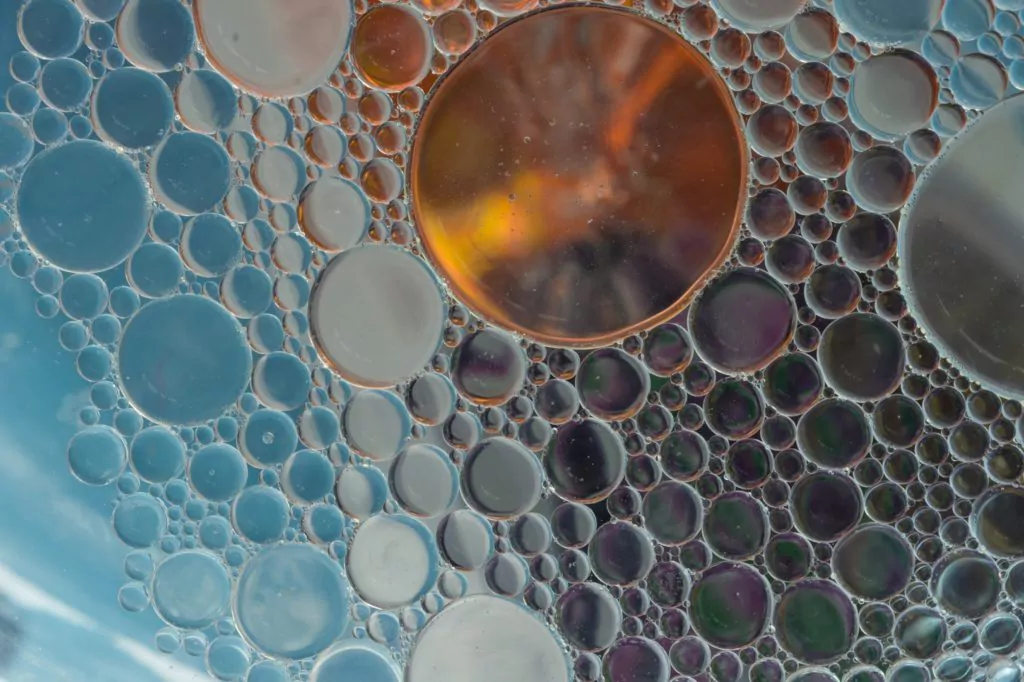
Fermentation-derived biosurfactants from vegetable oil refinery by-products — a local alternative to imported petrochemical surfactants.
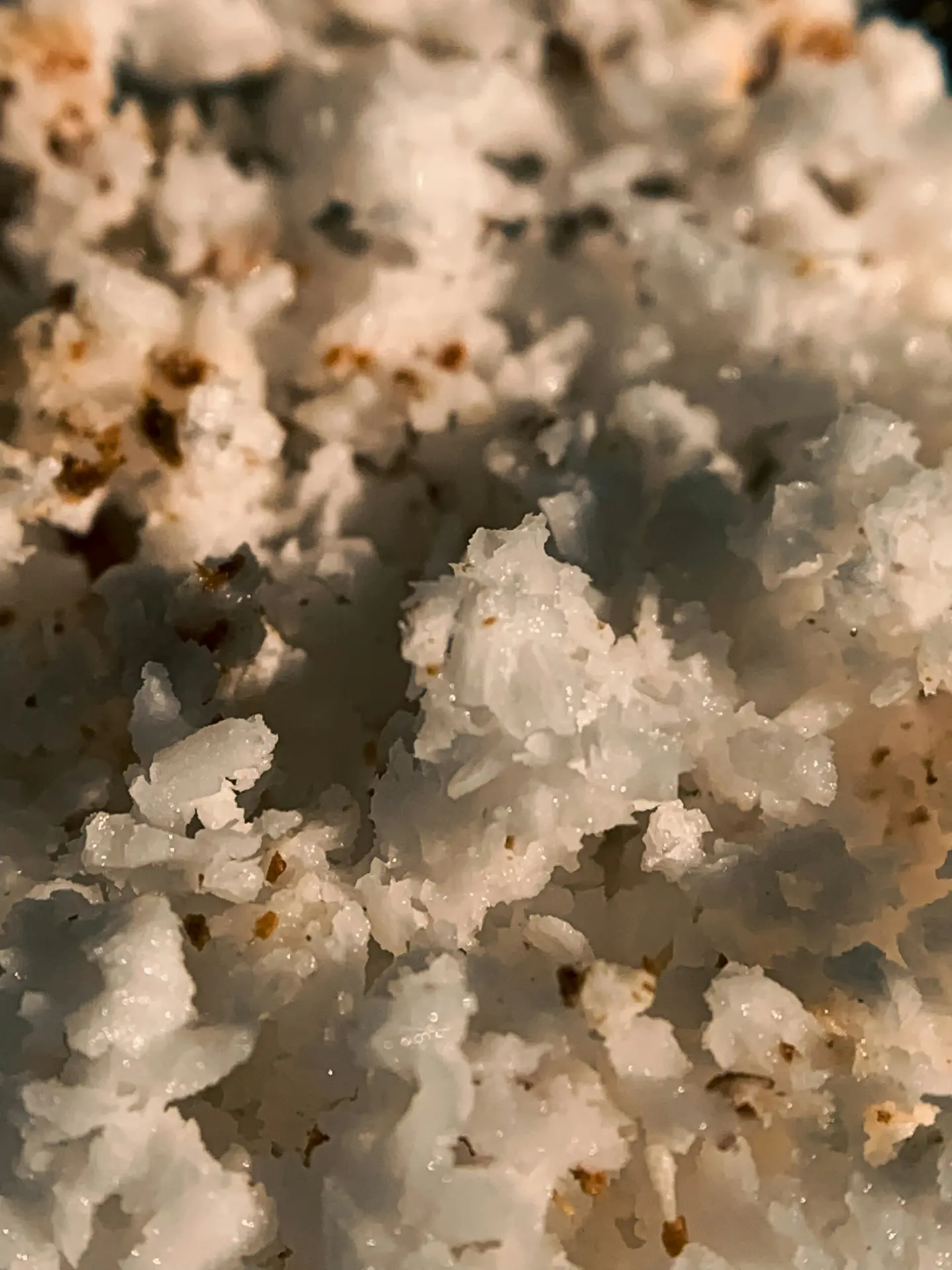
Fish waste transformed into certified marine bio-ingredients for food, nutraceutical and cosmetics manufacturers.
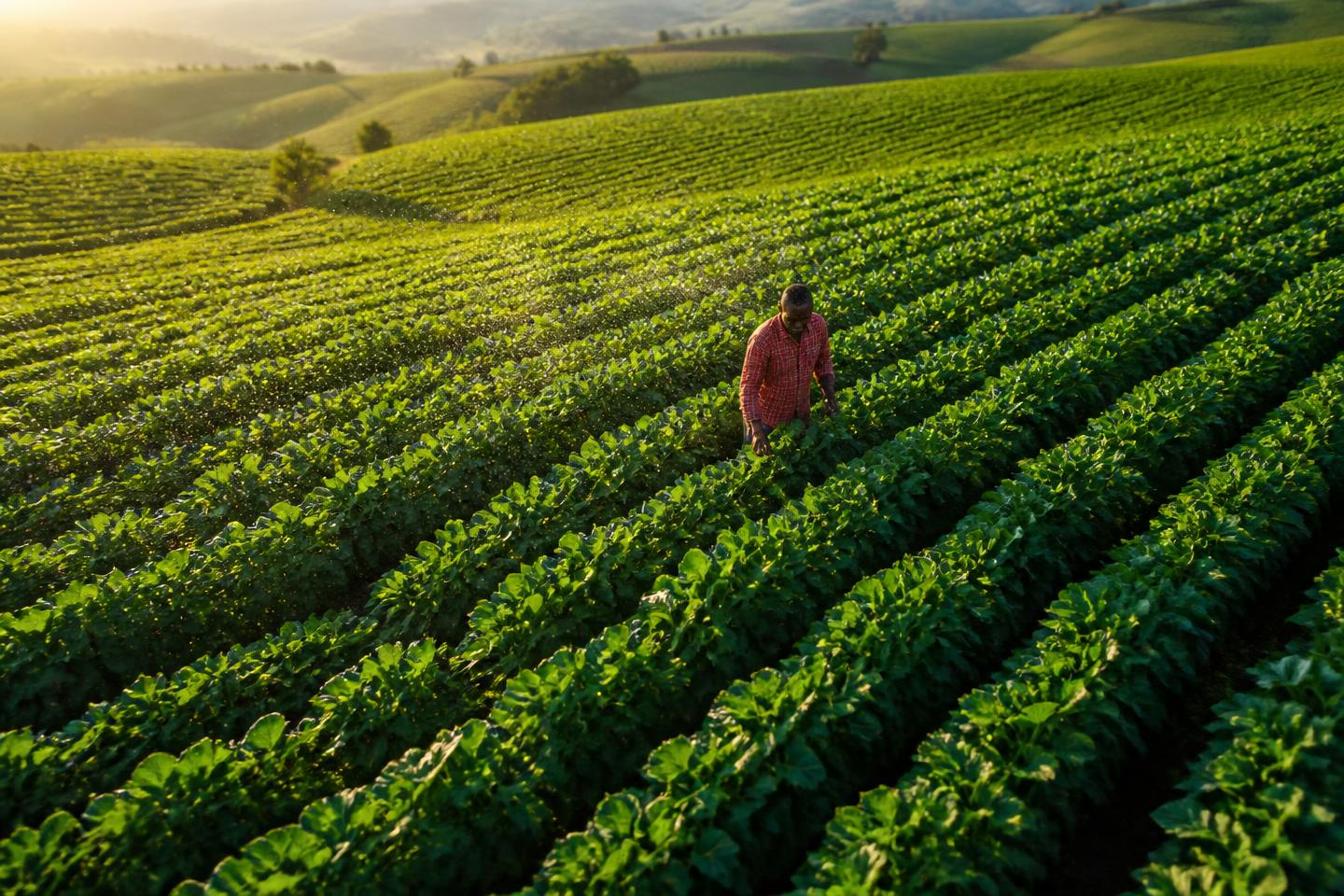
Next-generation molecular fertilisers that improve nutrient efficiency, strengthen crop performance, and help farmers produce more with fewer inputs.
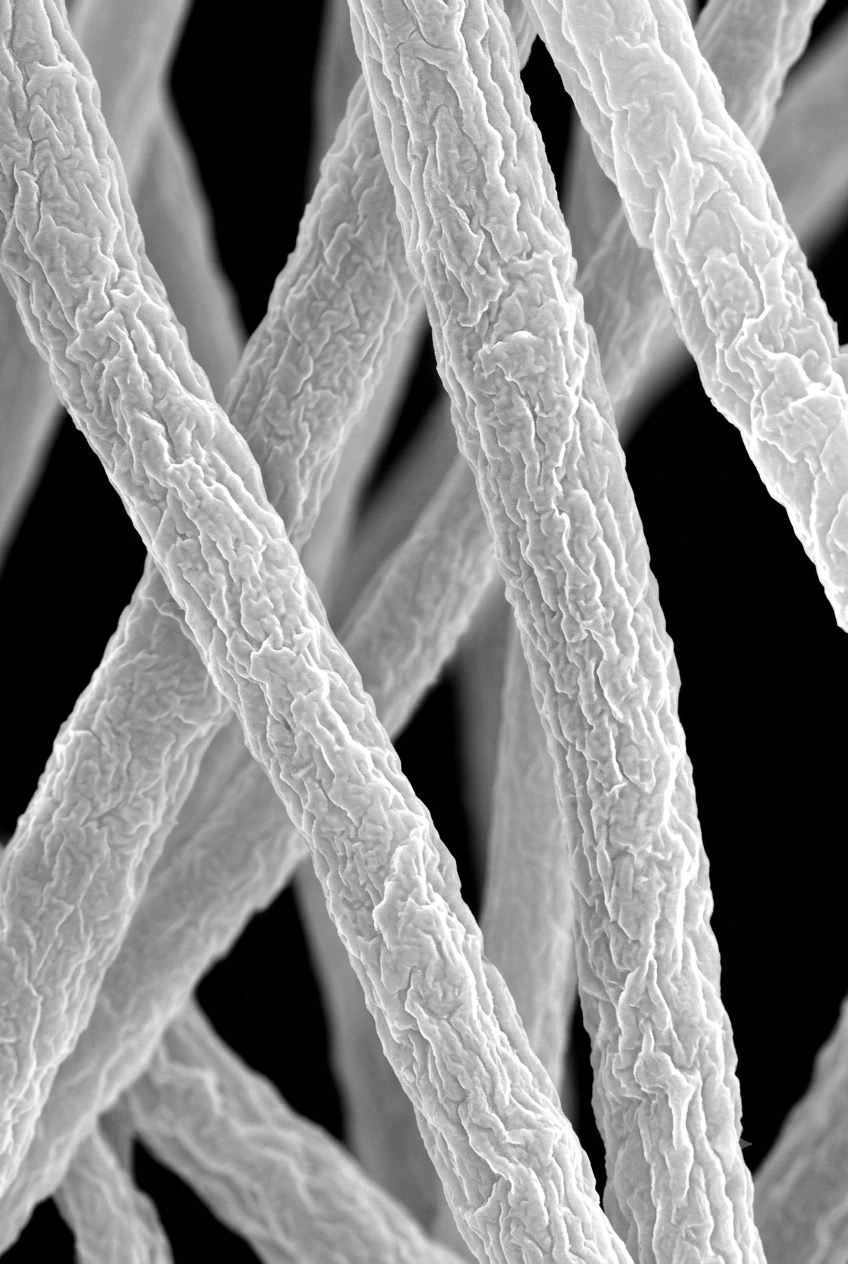
Biomass-derived nanomaterials that capture carbon dioxide and recover valuable metals from industrial waste streams.