

Brenya Isaac
Co-founder & CEO — leads Ecovon's strategy, fundraising, partnerships, and international expansion, bringing experience in venture building, business leadership, and sustainable manufacturing.
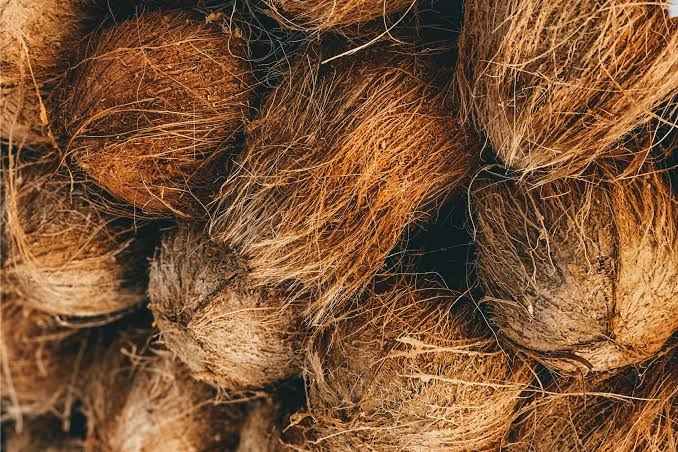
Binderless Green Boards
Transforming coconut husks and sugarcane bagasse into binderless, formaldehyde-free engineered boards that replace MDF and plywood for furniture, construction, and packaging.
ecovon-gh.comThe problem
The furniture and construction industries rely heavily on MDF, plywood, and particleboard made with timber and formaldehyde-based resins. These materials contribute to deforestation, expose workers and consumers to harmful chemicals, and face increasing regulatory pressure. At the same time, millions of tonnes of coconut husks and other agricultural residues are burned or discarded instead of being put to productive use.
Ecovon's approach
Ecovon converts coconut husks and sugarcane bagasse into durable engineered boards using a proprietary thermo-mechanical process that activates the biomass's natural lignin. This creates strong, formaldehyde-free boards without synthetic adhesives, producing a biodegradable material suitable for furniture, interior design, construction, and packaging. By eliminating toxic binders while using agricultural waste as feedstock, Ecovon offers manufacturers a circular, climate-positive alternative to conventional wood panels.
Where it's used
Ecovon supplies furniture manufacturers, interior fit-out companies, construction firms, and packaging businesses. The company has validated its product in Ghana and established commercial relationships in the UK, France, and the United States through pilot customers, signed distribution agreements, and materials libraries.
Impact
Safer materials, less deforestation, and new value from agricultural waste.
Reduces deforestation
Replaces timber-based panels with products made entirely from agricultural waste.
Eliminates toxic chemicals
Produces formaldehyde-free boards that improve indoor air quality and worker safety.
Creates circular value
Transforms coconut husks and sugarcane bagasse into high-value construction materials while reducing agricultural waste and carbon emissions.
Partners & ecosystem
Ecovon has built partnerships across manufacturing, research, and distribution, including MTRL Library (UK), MatériO' (Paris), TNO (Netherlands Organisation for Applied Scientific Research), Ejura Design Ltd, RTC, DSM-NIAGA, the World Bank (Ghana Climate Innovation Center), UNDP, Tony Elumelu Foundation, ISC3, and Venture for ClimateTech.
The founding team
Co-founder & CEO — leads Ecovon's strategy, fundraising, partnerships, and international expansion, bringing experience in venture building, business leadership, and sustainable manufacturing.
Co-founder & COO — oversees operations, biomass sourcing, supply chain management, and day-to-day manufacturing, helping scale Ecovon's circular production model from pilot to commercial manufacturing.
More from the portfolio

Hemp-fibre reinforced composites — a lower-carbon alternative to fibreglass and carbon fibre.

Microbial soil diagnostics and regenerative agriculture consulting for farmers.
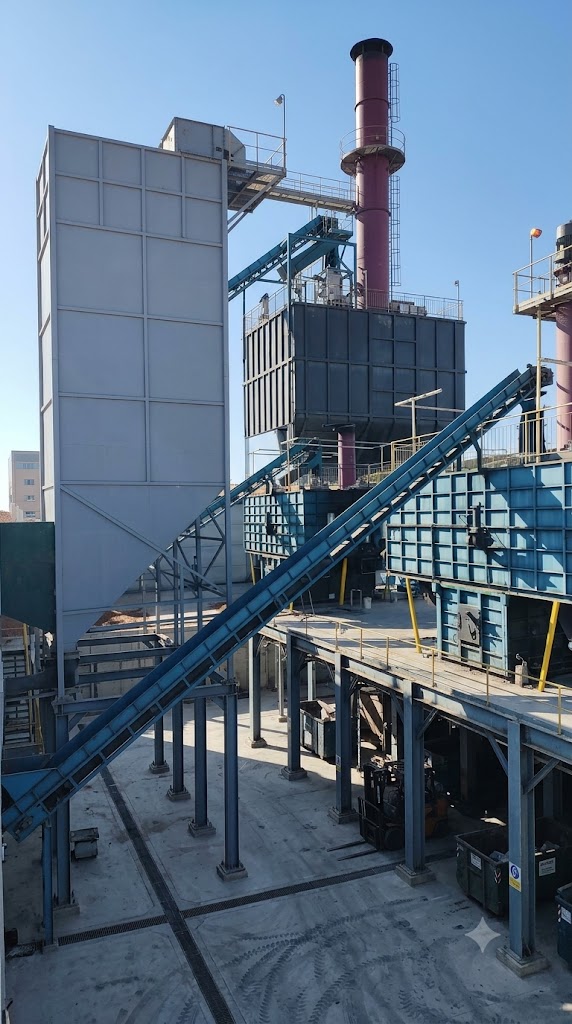
Biochar carbon removal — converting woody biomass into durable biochar, credits and heat.
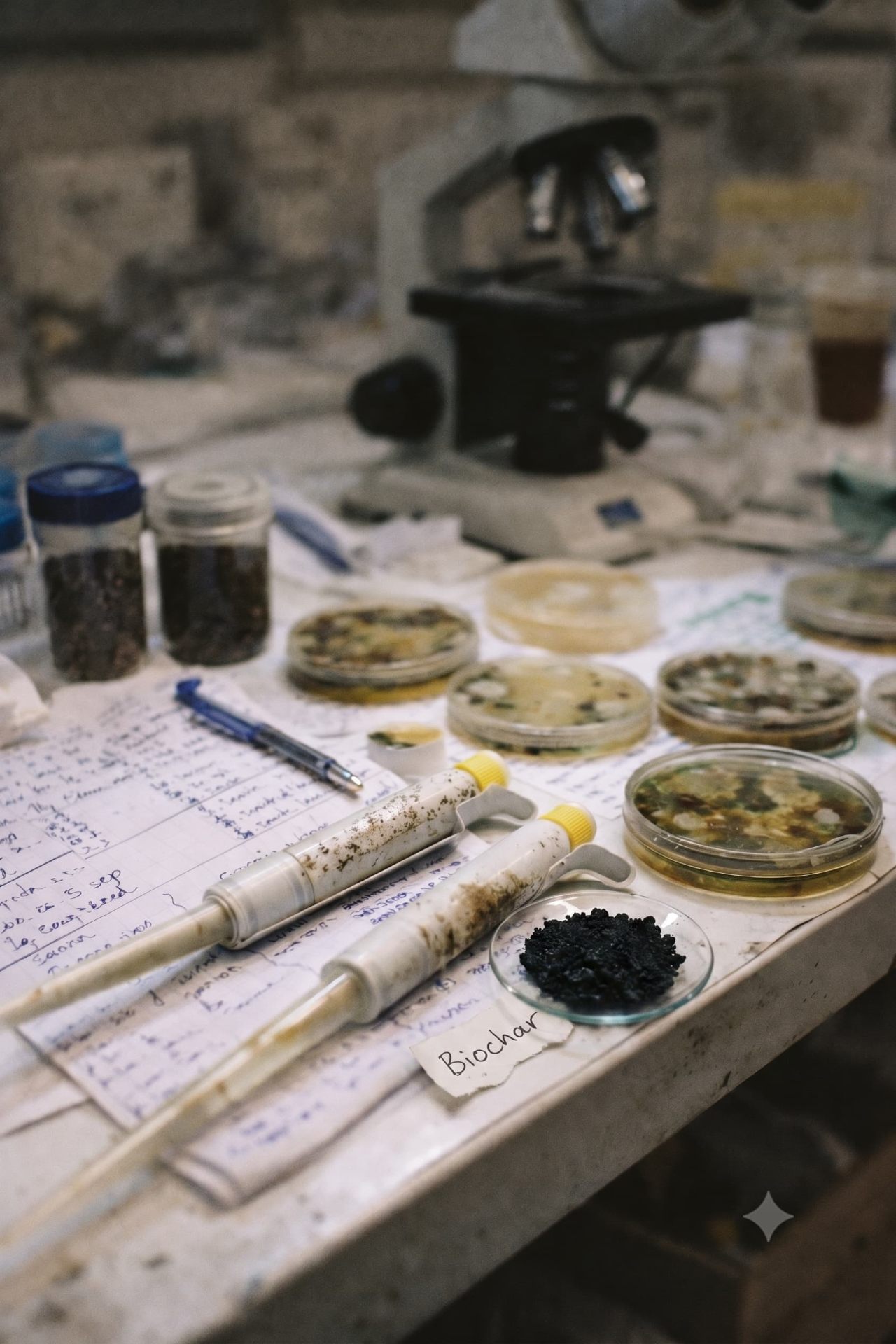
Locally adapted microbial–biochar restoration systems that rebuild soil health, strengthen water resilience, and restore degraded agricultural ecosystems.
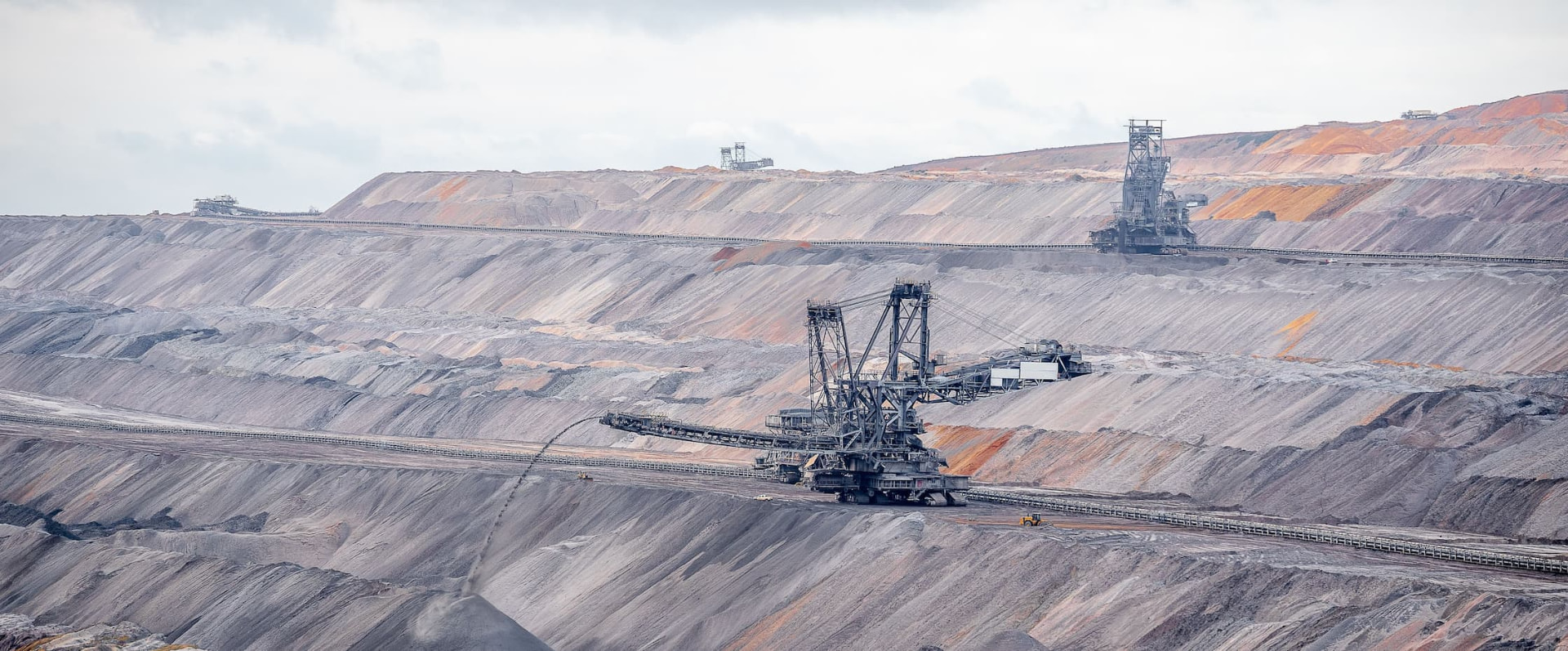
Natural soil amendments that transform mine tailings into regenerative agricultural inputs while recovering valuable resources.
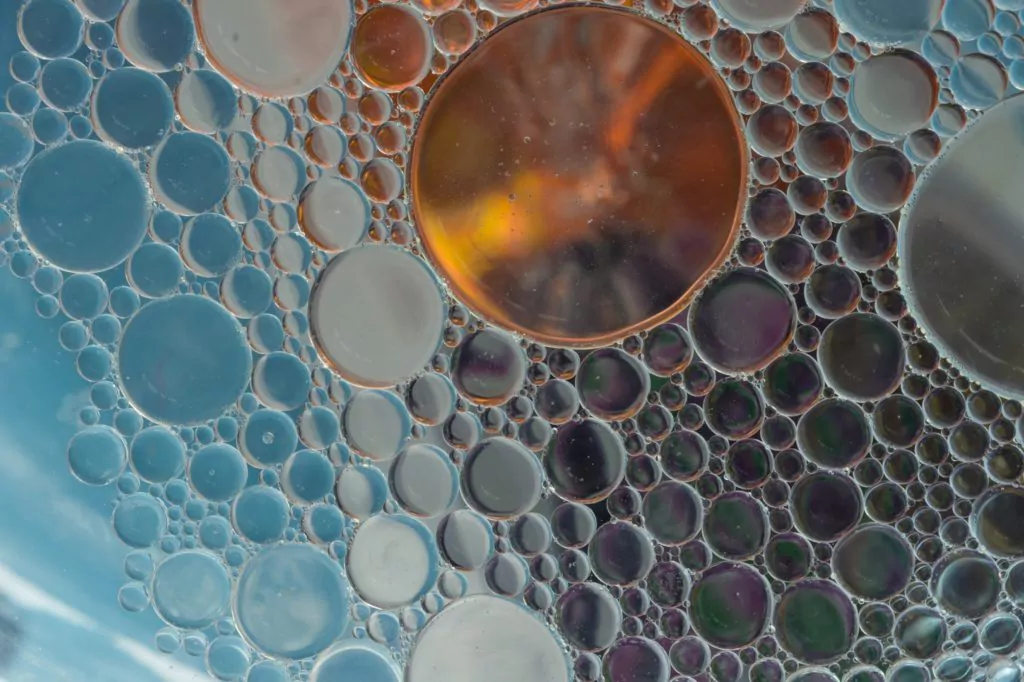
Fermentation-derived biosurfactants from vegetable oil refinery by-products — a local alternative to imported petrochemical surfactants.
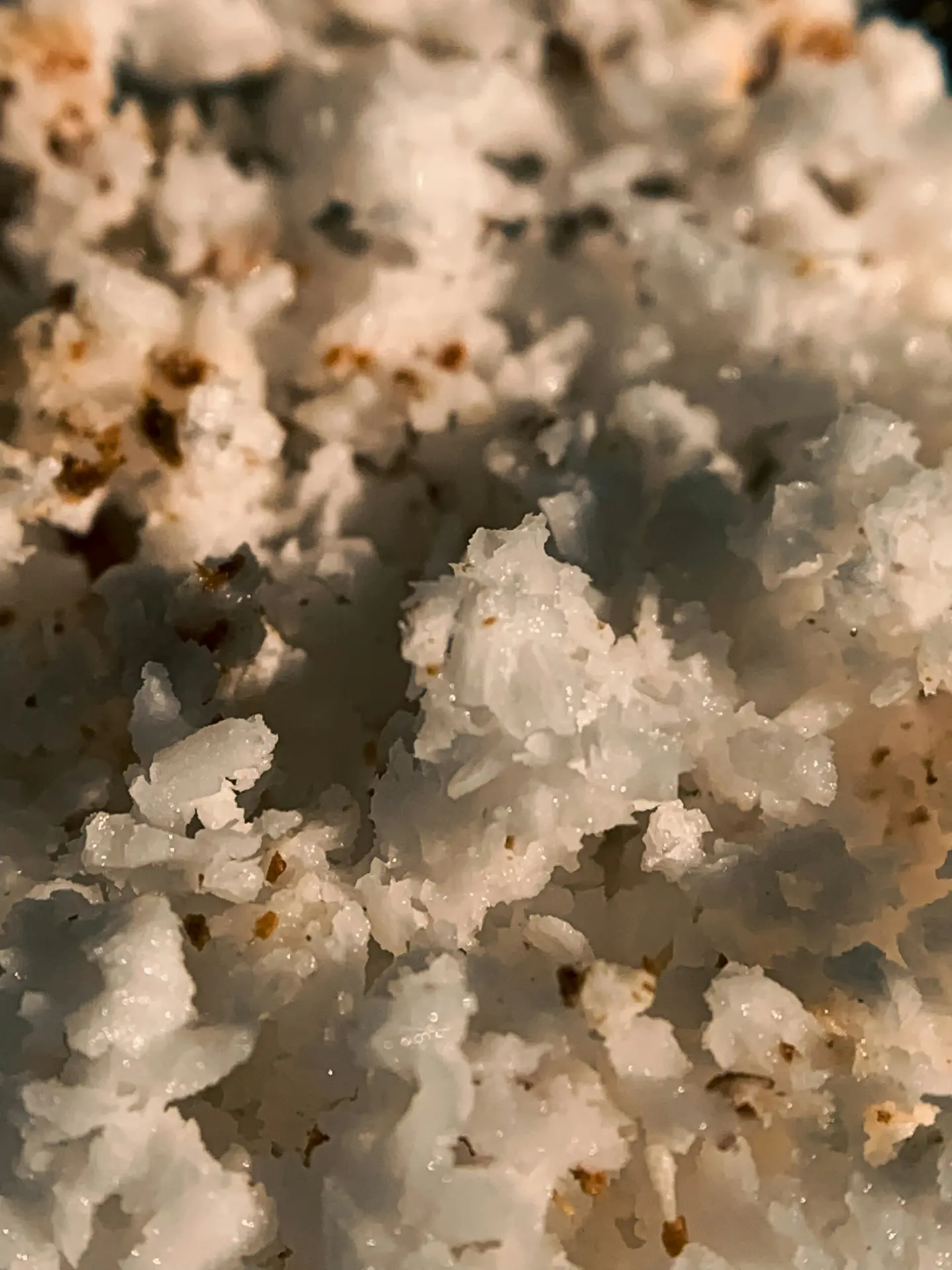
Fish waste transformed into certified marine bio-ingredients for food, nutraceutical and cosmetics manufacturers.
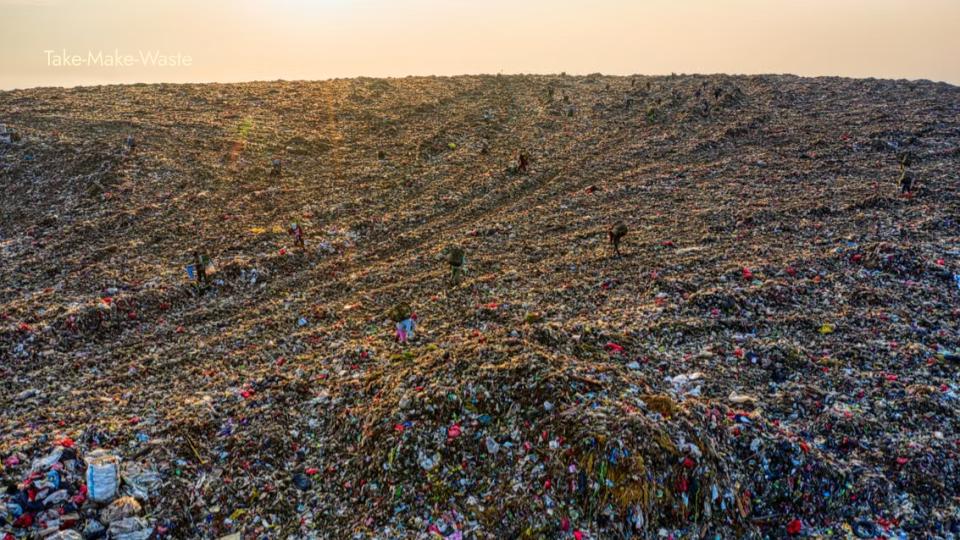
Enzymatic recycling of bioplastic-rich waste into lactic acid and other high-value bioproducts.
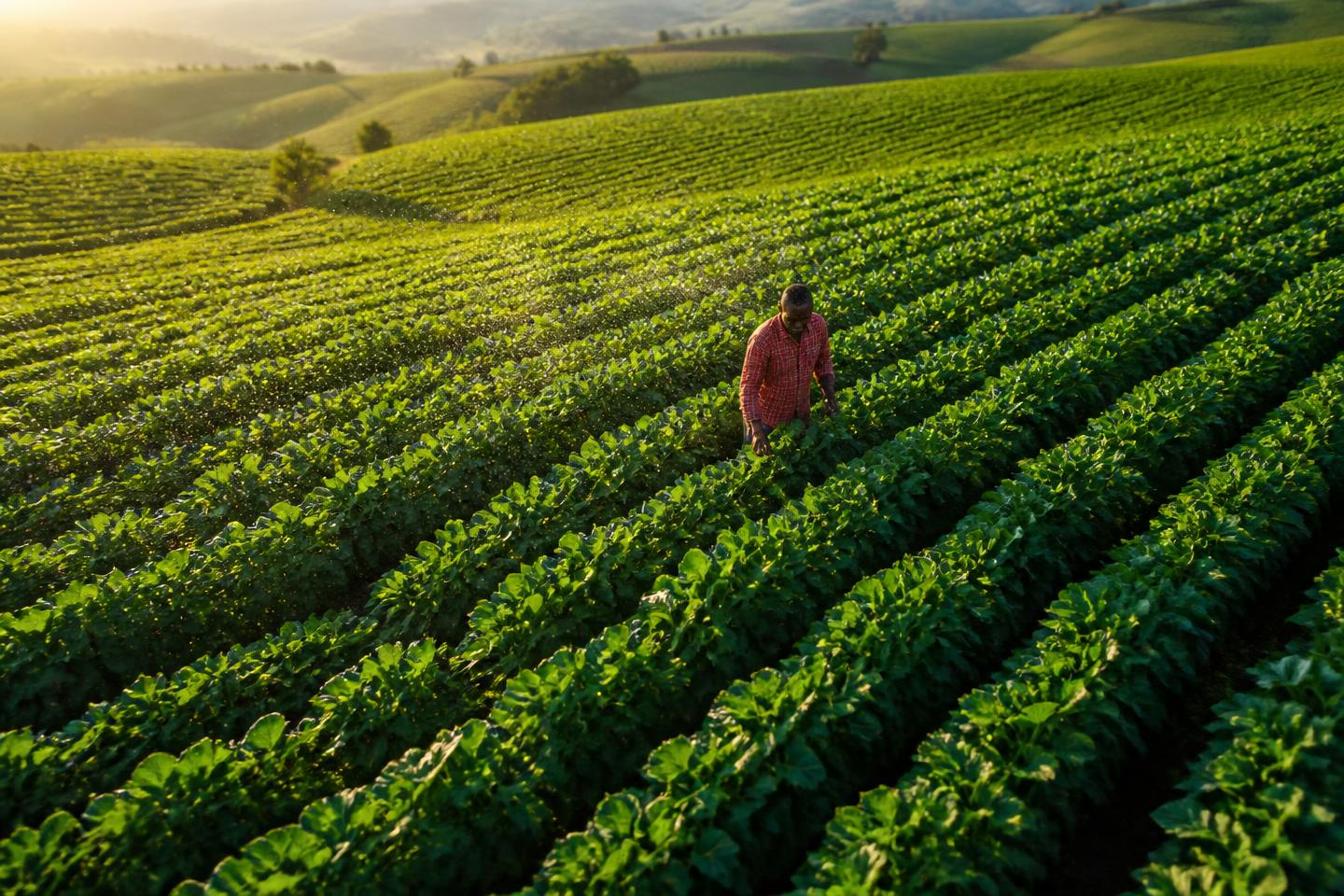
Next-generation molecular fertilisers that improve nutrient efficiency, strengthen crop performance, and help farmers produce more with fewer inputs.
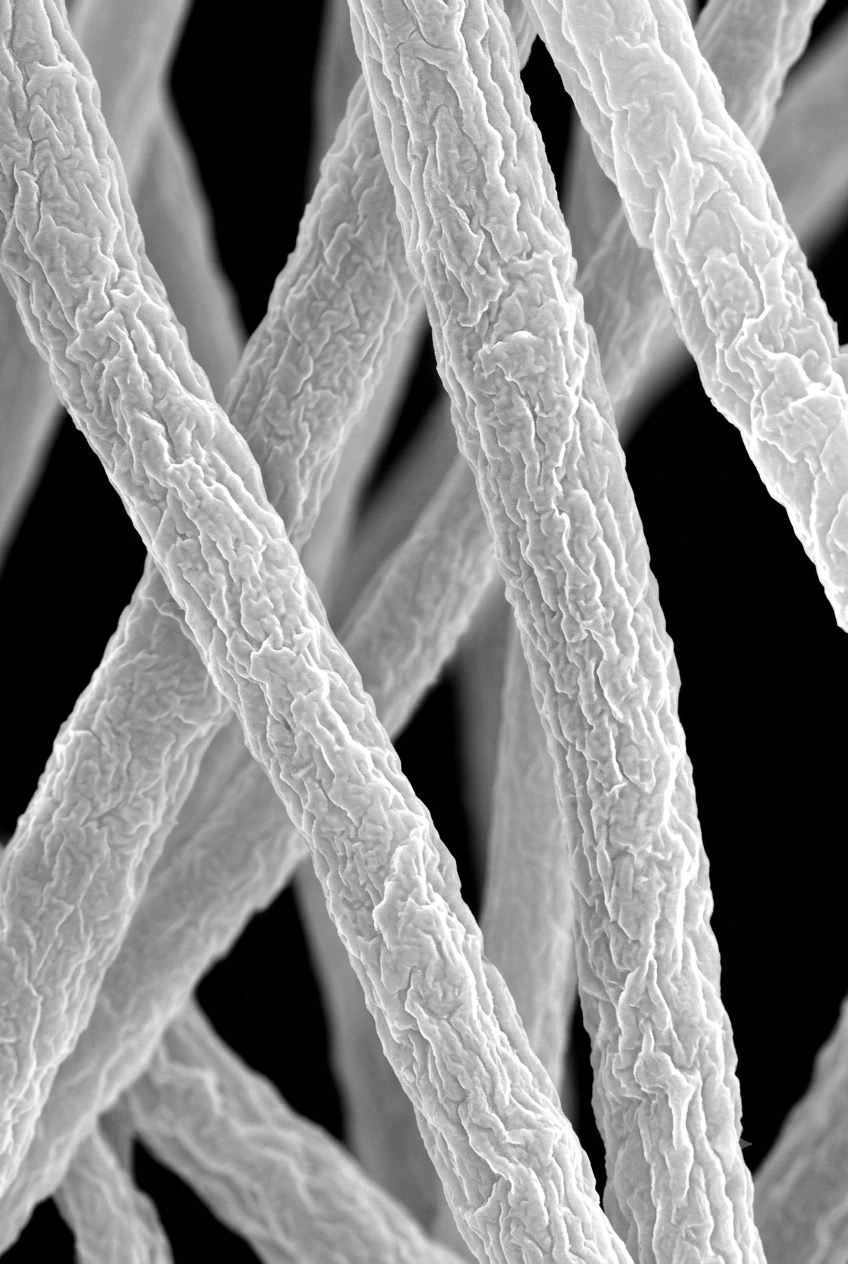
Biomass-derived nanomaterials that capture carbon dioxide and recover valuable metals from industrial waste streams.