
Reuben Riley Rampersad
Founder and CEO — a plant physiologist with a PhD specialising in biofertilisers, Reuben developed BioAge's molecular fertiliser technology and leads the company's scientific vision, product development, and commercial growth.
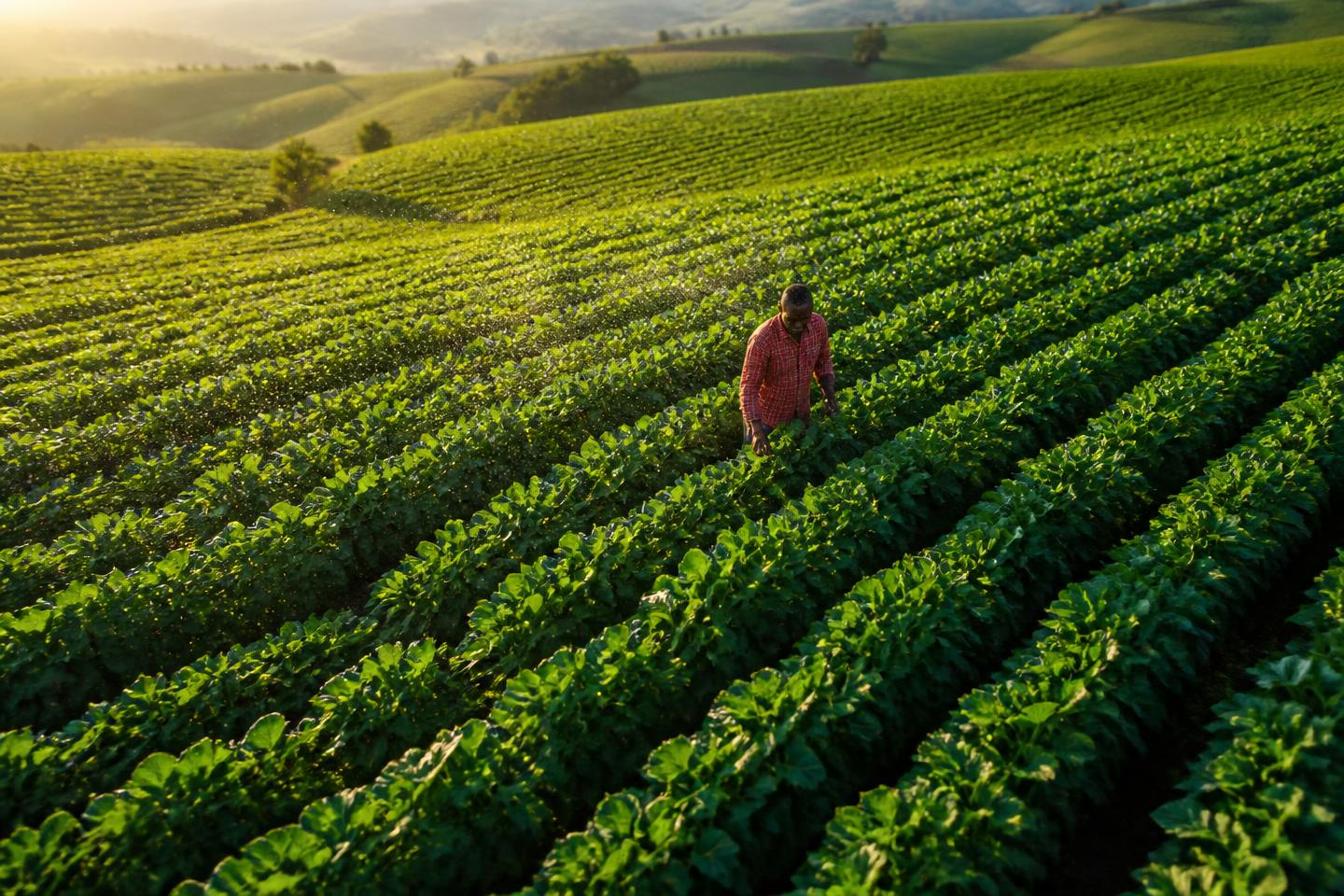
Smart Crop Nutrition
Developing next-generation molecular fertilisers that improve nutrient efficiency, strengthen crop performance, and help farmers produce more with fewer inputs.
bioageagri.comThe problem
Farmers are under increasing pressure from rising fertiliser prices, declining nutrient efficiency, and inconsistent crop performance. Conventional fertilisers often lose a significant portion of their nutrients through runoff and leaching, forcing growers to apply more product while still facing lower yields, uneven crop quality, and shrinking profit margins. South Africa's reliance on imported fertilisers makes these challenges even more acute as global supply chain disruptions continue to drive up costs.
BioAge's approach
BioAge has developed Nitro-Gro, a next-generation molecular fertiliser that delivers nutrients through highly bioavailable nano-scale ionic complexes designed to improve nutrient uptake at the cellular level. Applied as a foliar spray, Nitro-Gro combines precision nutrients with bio-stimulant compounds that enhance photosynthesis, energy production, and metabolic activity, enabling crops to absorb nutrients more efficiently while reducing dependence on conventional fertilisers. Farmers benefit from stronger plant growth, improved crop quality, earlier harvests, and lower fertiliser input costs.
Where it's used
BioAge's products are already being used by commercial vegetable growers, horticultural producers, flower growers, and other high-value crop farmers across South Africa. The company has established paying customers in KwaZulu-Natal, Gauteng, and the Eastern Cape and continues to expand through a combination of direct sales and distributor partnerships.
Impact
Helping farmers increase productivity while reducing fertiliser use creates stronger agricultural businesses and more sustainable food production systems.
Improving nutrient efficiency
Enables farmers to reduce conventional fertiliser use while maintaining strong crop performance and healthier plant growth.
Increasing yields and farm profitability
Field trials have demonstrated yield improvements of up to 30%, helping growers generate higher returns from every hectare.
Reducing environmental impact
Lower fertiliser inputs reduce nutrient losses through runoff and leaching while supporting more efficient use of agricultural resources.
Partners & ecosystem
BioAge works with commercial farmers, agricultural distributors, and technical partners to validate and scale its technology. Distribution partners include Heavitech and KZN Nursery Suppliers, while technical support has come through Savant Capital and Veridian. The company has also participated in the Savant Build Programme as it prepares for broader national expansion.
The founding team
Founder and CEO — a plant physiologist with a PhD specialising in biofertilisers, Reuben developed BioAge's molecular fertiliser technology and leads the company's scientific vision, product development, and commercial growth.
More from the portfolio

Hemp-fibre reinforced composites — a lower-carbon alternative to fibreglass and carbon fibre.

Microbial soil diagnostics and regenerative agriculture consulting for farmers.
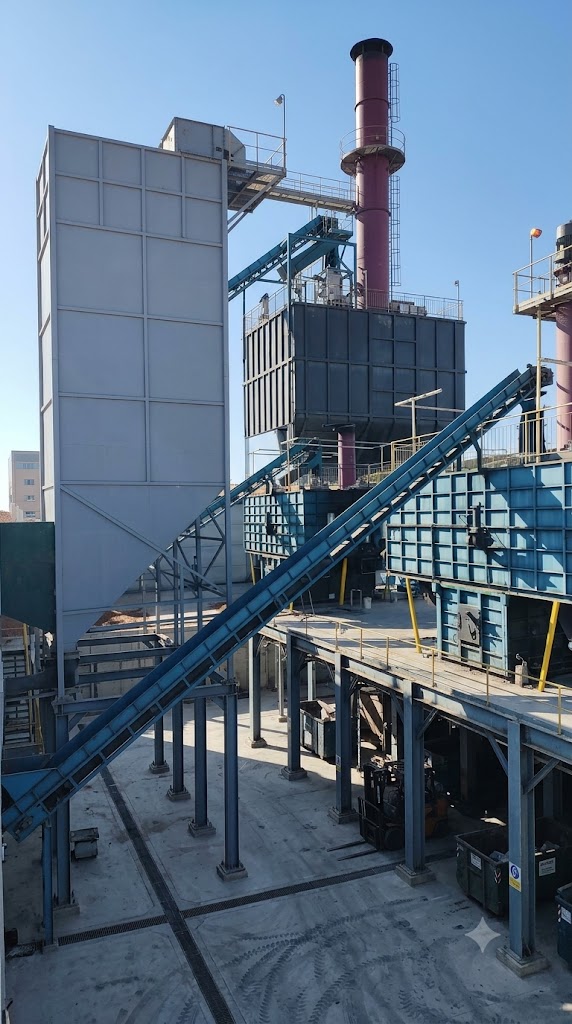
Biochar carbon removal — converting woody biomass into durable biochar, credits and heat.
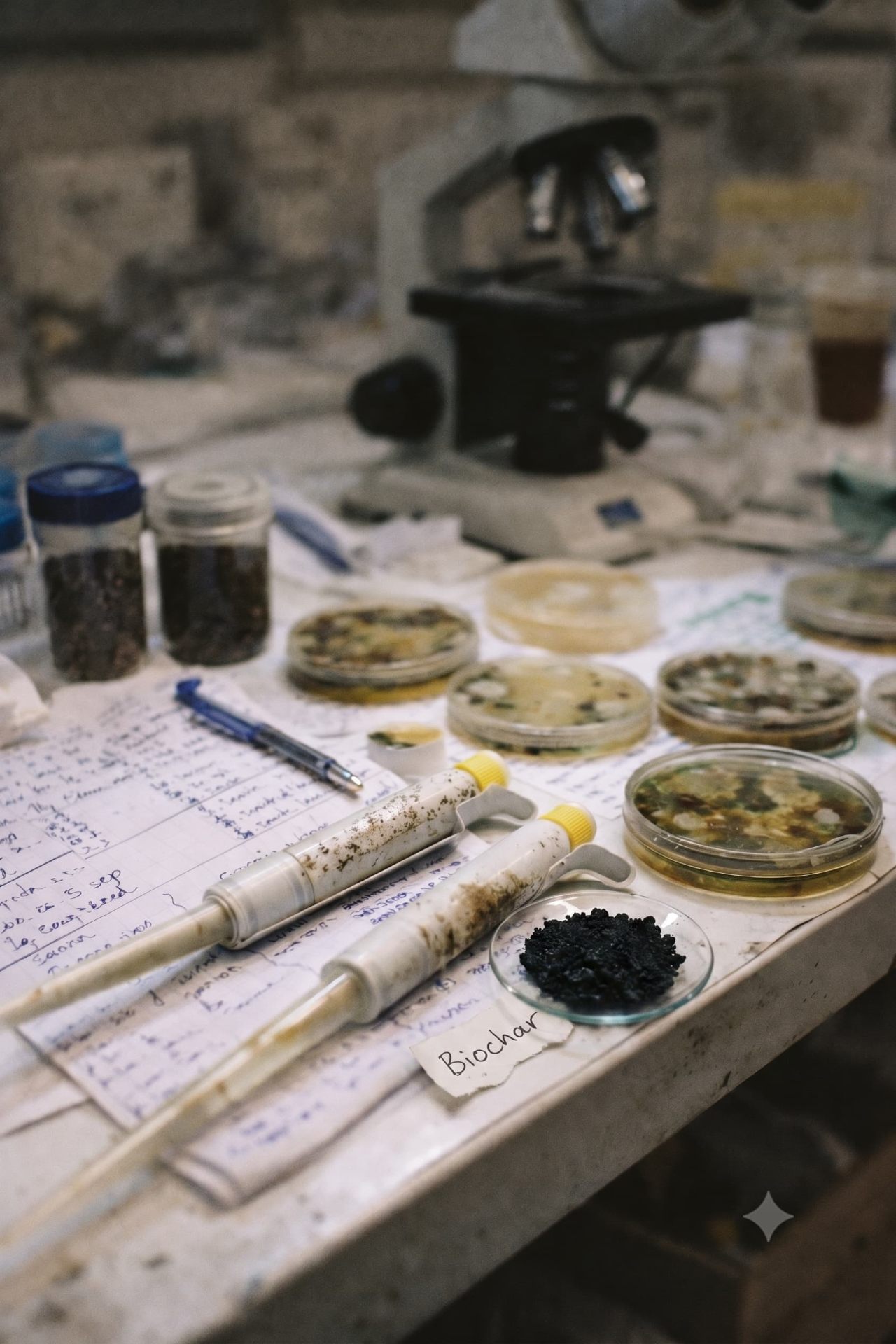
Locally adapted microbial–biochar restoration systems that rebuild soil health, strengthen water resilience, and restore degraded agricultural ecosystems.
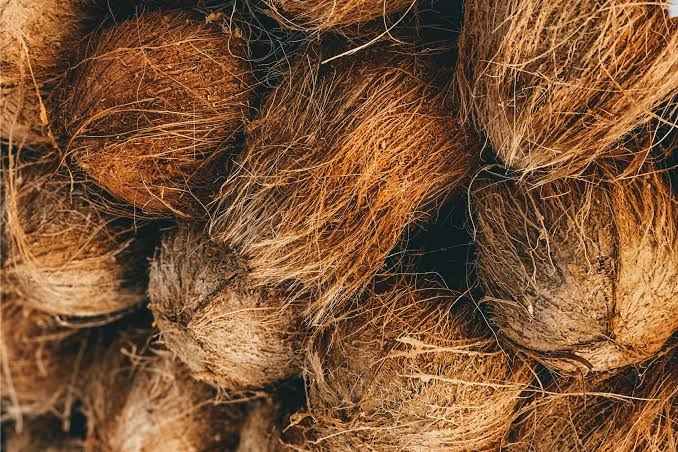
Binderless, formaldehyde-free engineered boards made from coconut husks and sugarcane bagasse.

Natural soil amendments that transform mine tailings into regenerative agricultural inputs while recovering valuable resources.
Fermentation-derived biosurfactants from vegetable oil refinery by-products — a local alternative to imported petrochemical surfactants.
Fish waste transformed into certified marine bio-ingredients for food, nutraceutical and cosmetics manufacturers.
Enzymatic recycling of bioplastic-rich waste into lactic acid and other high-value bioproducts.
Biomass-derived nanomaterials that capture carbon dioxide and recover valuable metals from industrial waste streams.