

Chloe Cormack
Founder & CEO — climate venture builder and sustainability practitioner leading EcoRestore's strategy, partnerships, commercial development, and field implementation.
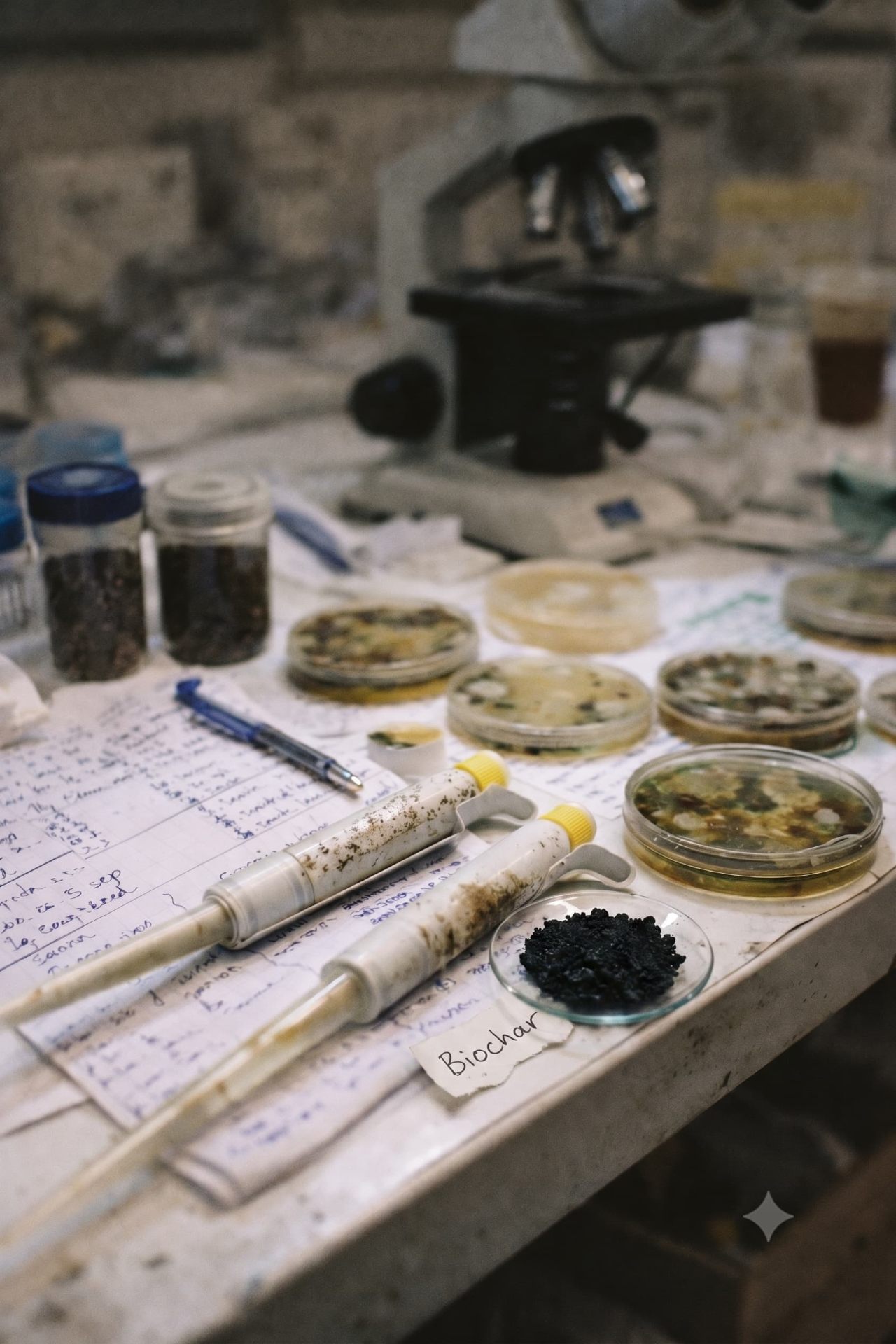
Living Soil Restoration
Locally adapted microbial–biochar restoration systems that rebuild soil health, strengthen water resilience, and restore degraded agricultural ecosystems.
Coming soon
The problem
While biochar and microbial products already exist, many deliver inconsistent results because they are not adapted to local ecosystems. This leaves growers dependent on expensive synthetic fertilisers while soil health continues to decline.
EcoRestore Africa's approach
EcoRestore combines locally adapted microbial consortia with biochar to create biologically active soil restoration systems tailored to specific landscapes. Biochar provides a stable habitat for beneficial microbes, while indigenous microbial communities improve nutrient cycling, soil structure, water retention, and long-term ecosystem function. Rather than selling a generic biological product, EcoRestore develops site-specific restoration programmes that include soil analysis, microbial matching, implementation, and ongoing monitoring to restore degraded agricultural and water ecosystems.
Where it's used
EcoRestore works with commercial farms, vineyards, regenerative agriculture projects, and ecosystem restoration initiatives. Its flagship pilot is a two-year vineyard trial at Klein Constantia in the Western Cape, with expansion planned into regenerative agriculture hubs in Mpumalanga and additional commercial farming systems.
Impact
Locally adapted soil restoration supports healthier soils, lower input costs, and climate resilience.
Healthier soils
Restores soil biology using locally adapted microbial communities that improve long-term soil productivity.
Lower fertiliser costs
Helps farmers reduce dependence on synthetic fertilisers while improving nutrient cycling and crop performance.
Climate resilience
Strengthens water retention, ecosystem health, and agricultural resilience in the face of climate change.
Partners & ecosystem
EcoRestore works with a growing network of scientific, agricultural, and climate partners, including Klein Constantia, SoilScopes, iWater, Adsorb, Ratanang Agri Hub, and research collaborations with Stellenbosch University and UCT. The company also works with scientific advisors and climate innovation networks to strengthen validation, commercialisation, and ecosystem restoration.
The founding team
Founder & CEO — climate venture builder and sustainability practitioner leading EcoRestore's strategy, partnerships, commercial development, and field implementation.
More from the portfolio

Hemp-fibre reinforced composites — a lower-carbon alternative to fibreglass and carbon fibre.

Microbial soil diagnostics and regenerative agriculture consulting for farmers.
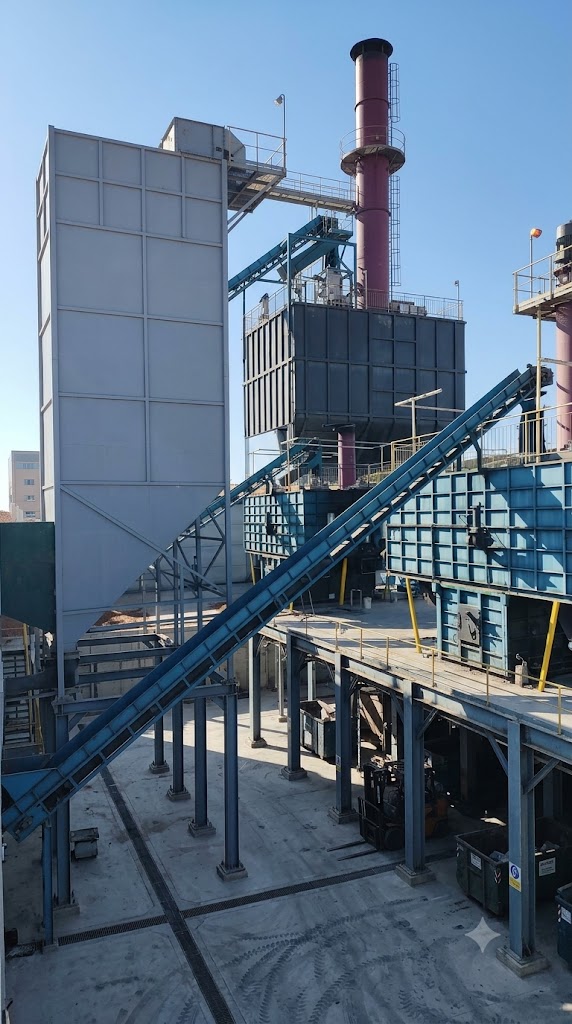
Biochar carbon removal — converting woody biomass into durable biochar, credits and heat.
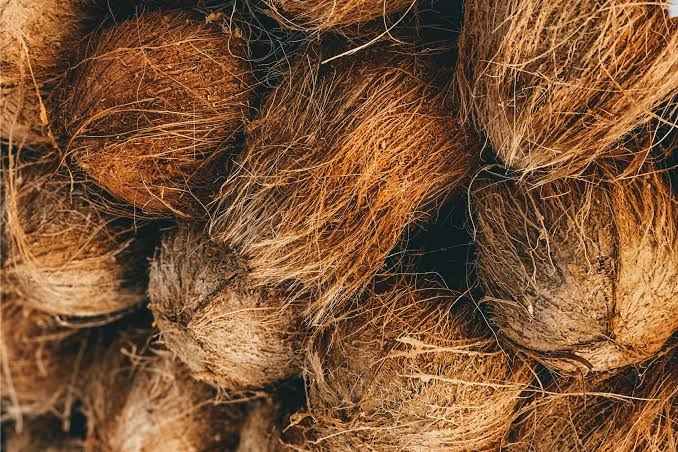
Binderless, formaldehyde-free engineered boards made from coconut husks and sugarcane bagasse.
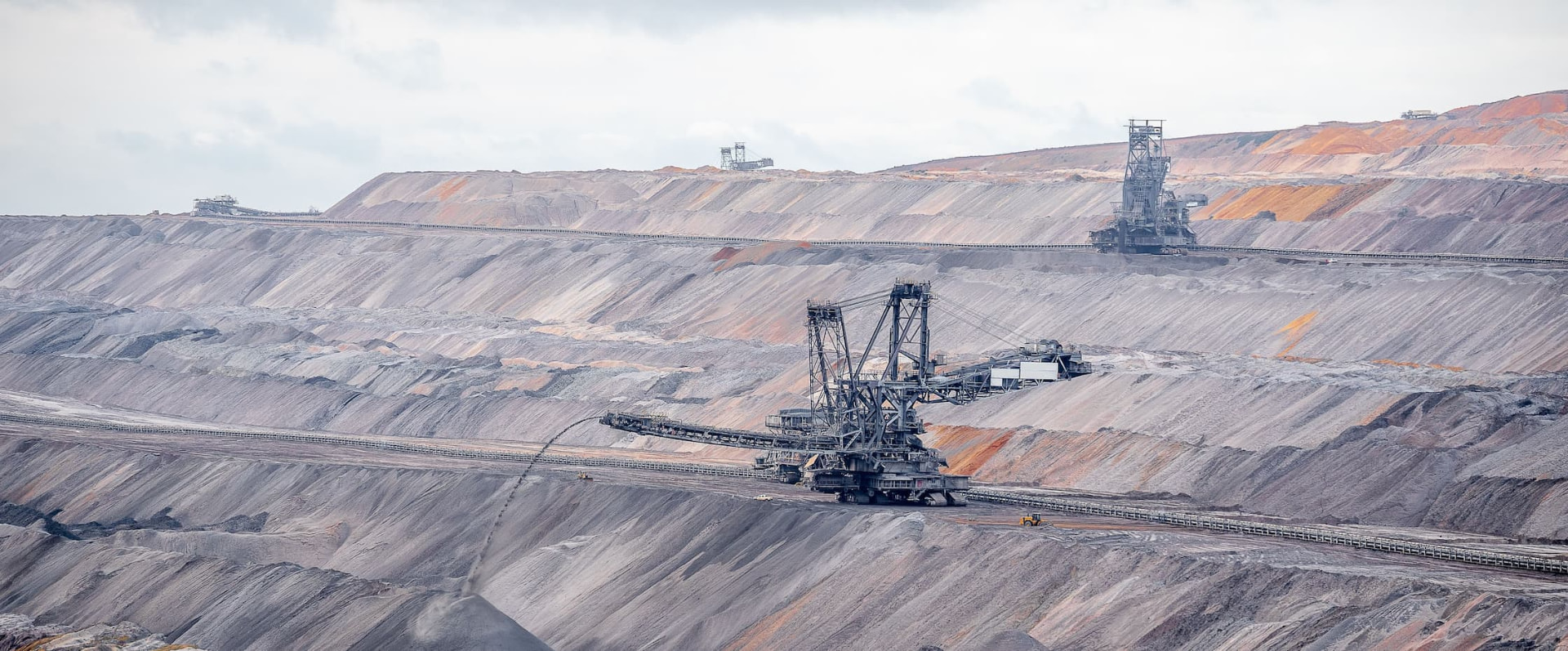
Natural soil amendments that transform mine tailings into regenerative agricultural inputs while recovering valuable resources.

Fermentation-derived biosurfactants from vegetable oil refinery by-products — a local alternative to imported petrochemical surfactants.

Fish waste transformed into certified marine bio-ingredients for food, nutraceutical and cosmetics manufacturers.
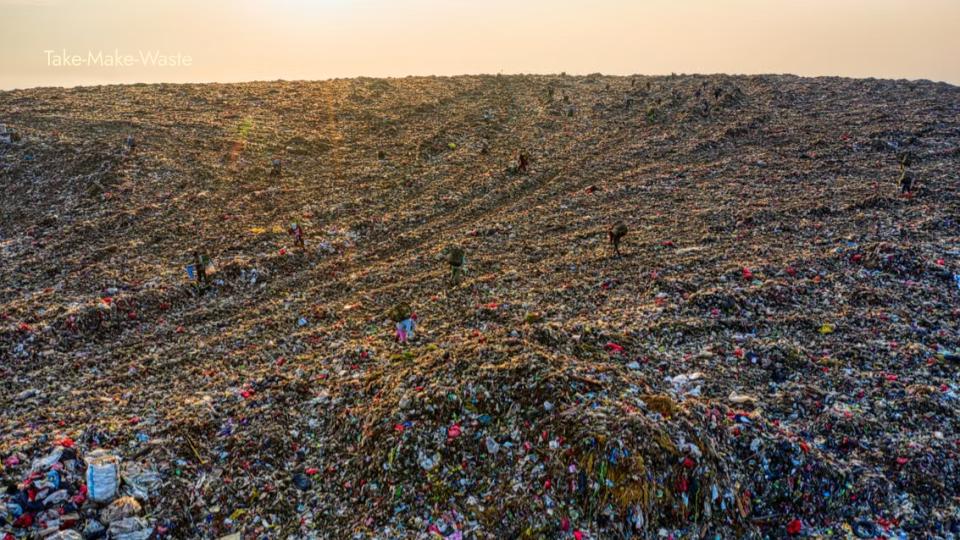
Enzymatic recycling of bioplastic-rich waste into lactic acid and other high-value bioproducts.
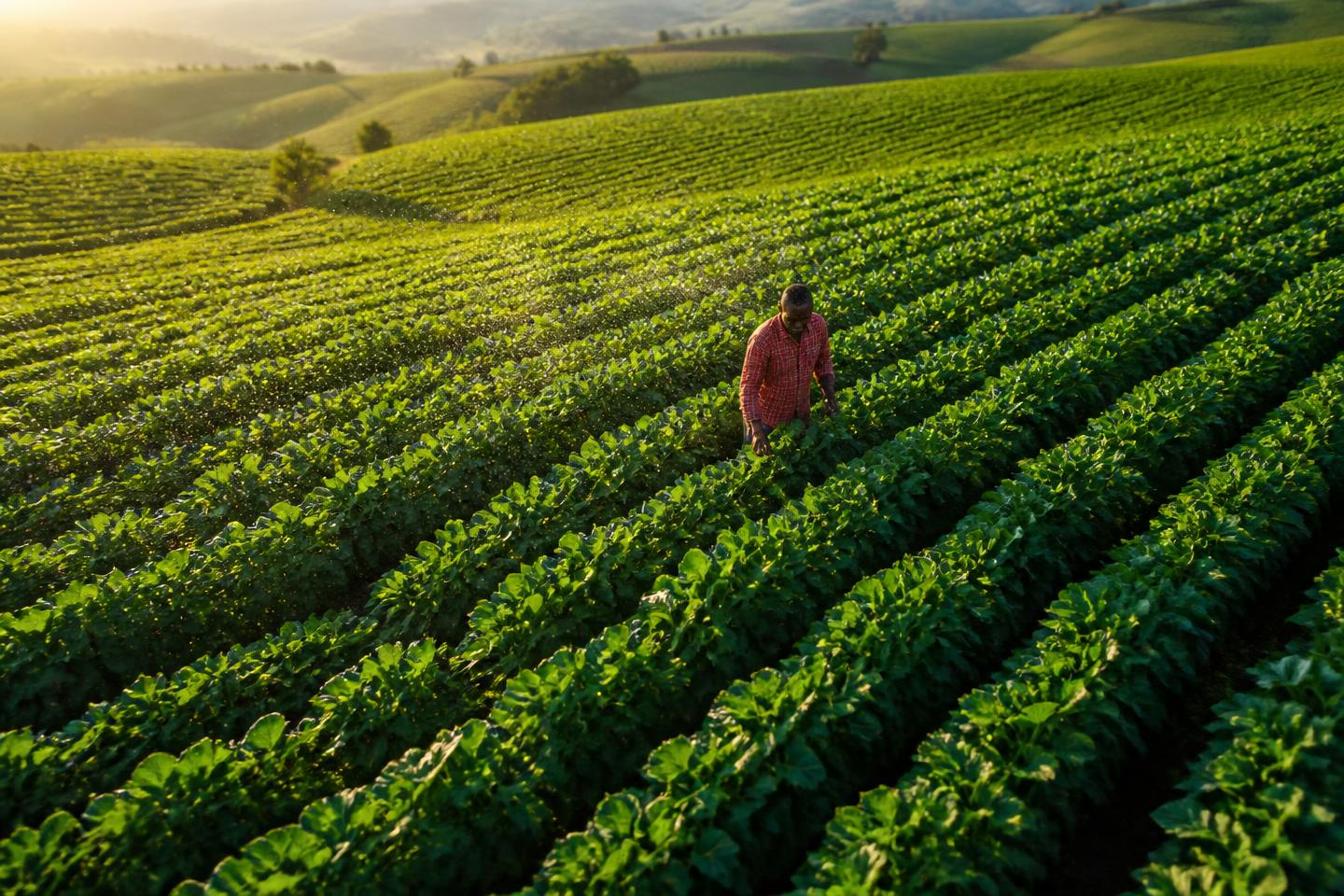
Next-generation molecular fertilisers that improve nutrient efficiency, strengthen crop performance, and help farmers produce more with fewer inputs.

Biomass-derived nanomaterials that capture carbon dioxide and recover valuable metals from industrial waste streams.