

Bogadi Letsile
Founder and CEO — a materials scientist specialising in advanced material development, Bogadi leads Nanopula's technology innovation, product development, and long-term scientific strategy.
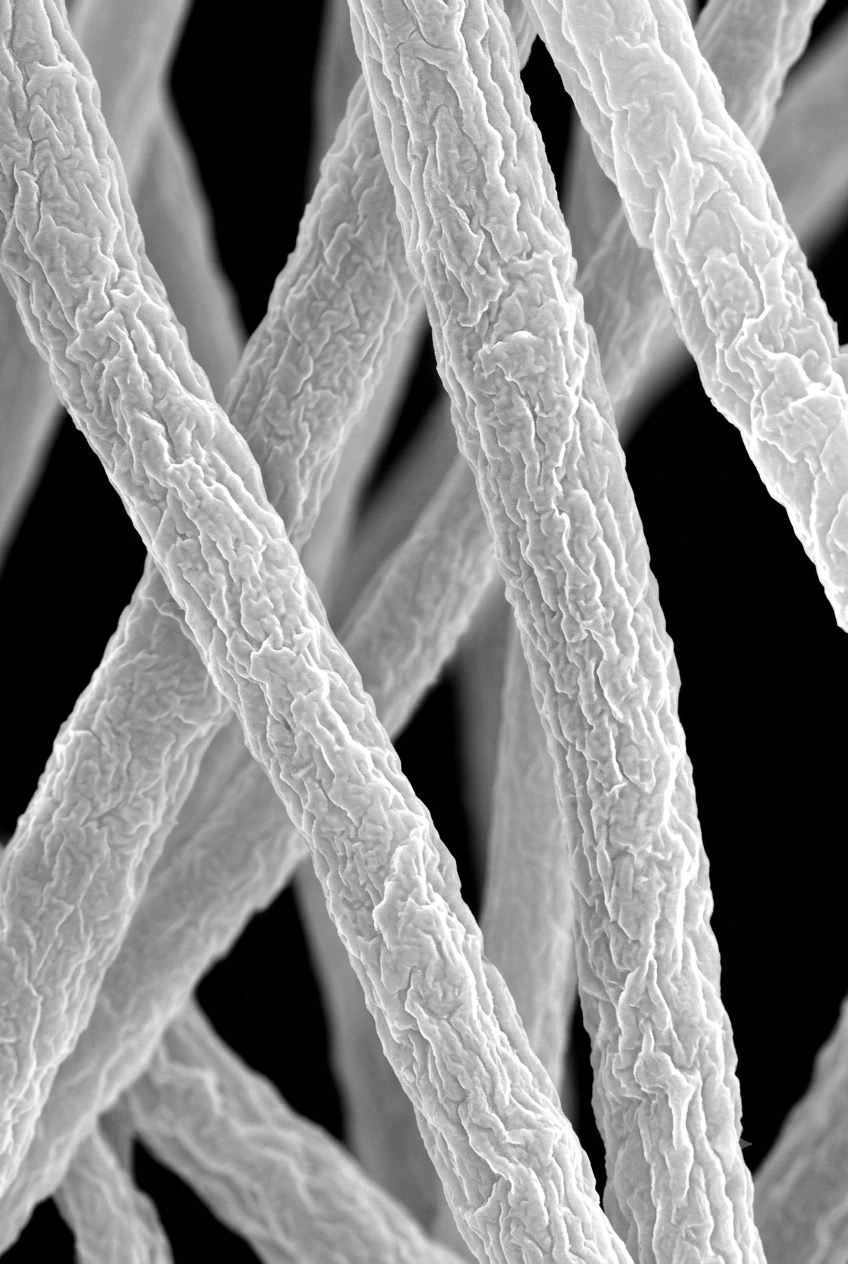
Carbon Recovery Materials
Developing advanced biomass-derived nanomaterials that capture carbon dioxide and recover valuable metals from industrial waste streams, turning environmental liabilities into economic value.
nanopula.comThe problem
Mining companies lose millions of dollars every year in valuable metals that remain trapped in tailings, while continuing to spend heavily on waste management and regulatory compliance. At the same time, heavy industries face increasing costs from carbon taxes and emissions regulations. Existing recovery and carbon capture technologies are often expensive, energy-intensive, or uneconomical when dealing with low-concentration waste streams.
Nanopula's approach
Nanopula has developed highly porous nanocellulose aerogels made from renewable biomass. Engineered with specialised surface chemistry, these materials selectively capture carbon dioxide and valuable dissolved metals from industrial waste streams. The captured metals can be recovered for resale, while carbon dioxide is converted into stable mineral products, allowing industries to reduce emissions, recover resources, and lower environmental liabilities through a single modular system.
Where it's used
Nanopula is initially focused on mining operations across Southern Africa, particularly South Africa and Botswana, where large tailings facilities present significant opportunities for metal recovery. The technology is also being developed for heavy industries such as cement and metals manufacturing, helping industrial operators reduce emissions while improving resource efficiency.
Impact
Nanopula transforms industrial waste into valuable resources while helping some of Africa's most emissions-intensive industries transition toward cleaner operations.
Recovering valuable minerals
Unlocks valuable metals from mining tailings and process water that would otherwise remain unrecovered, creating new revenue streams from industrial waste.
Reducing industrial emissions
Captures carbon dioxide from heavy industry and converts it into stable mineral products, helping companies reduce carbon tax exposure and environmental impact.
Supporting circular industry
Uses renewable biomass-derived materials to create lower-cost, modular systems that reduce waste, improve resource efficiency, and support more circular industrial processes.
Partners & ecosystem
Nanopula is working toward pilot deployments with mining companies and industrial partners across Southern Africa while collaborating with technical experts to validate its technology. Through Kinjani Lab, the venture is strengthening its scientific validation, techno-economic modelling, and industrial readiness as it prepares for commercial pilots.
The founding team
Founder and CEO — a materials scientist specialising in advanced material development, Bogadi leads Nanopula's technology innovation, product development, and long-term scientific strategy.
More from the portfolio

Hemp-fibre reinforced composites — a lower-carbon alternative to fibreglass and carbon fibre.
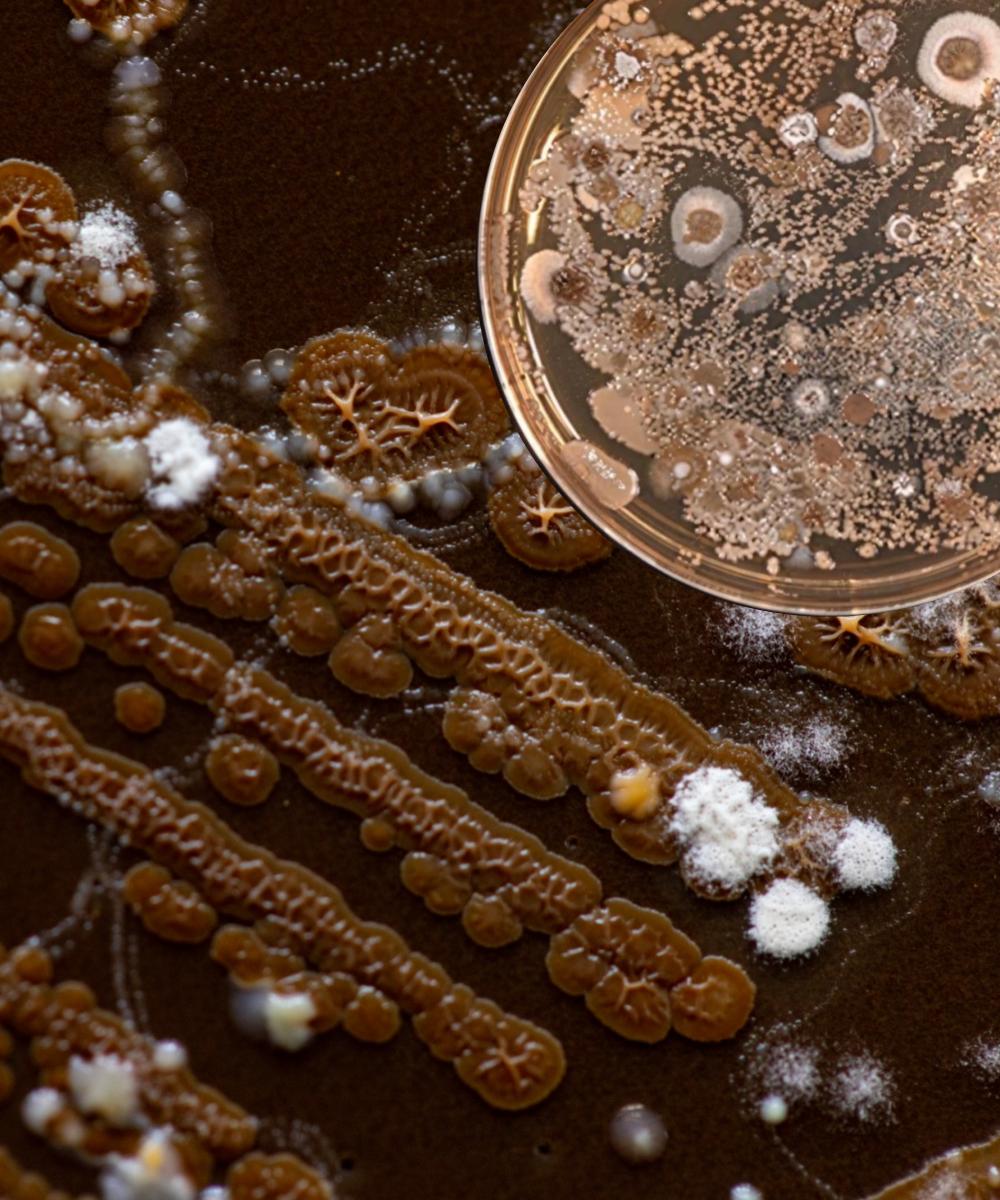
Microbial soil diagnostics and regenerative agriculture consulting for farmers.
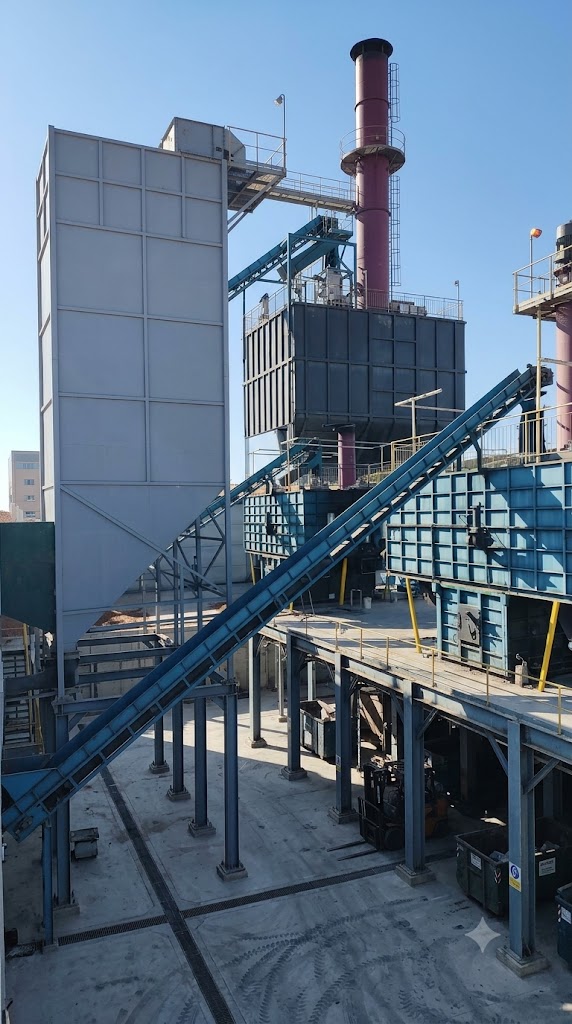
Biochar carbon removal — converting woody biomass into durable biochar, credits and heat.
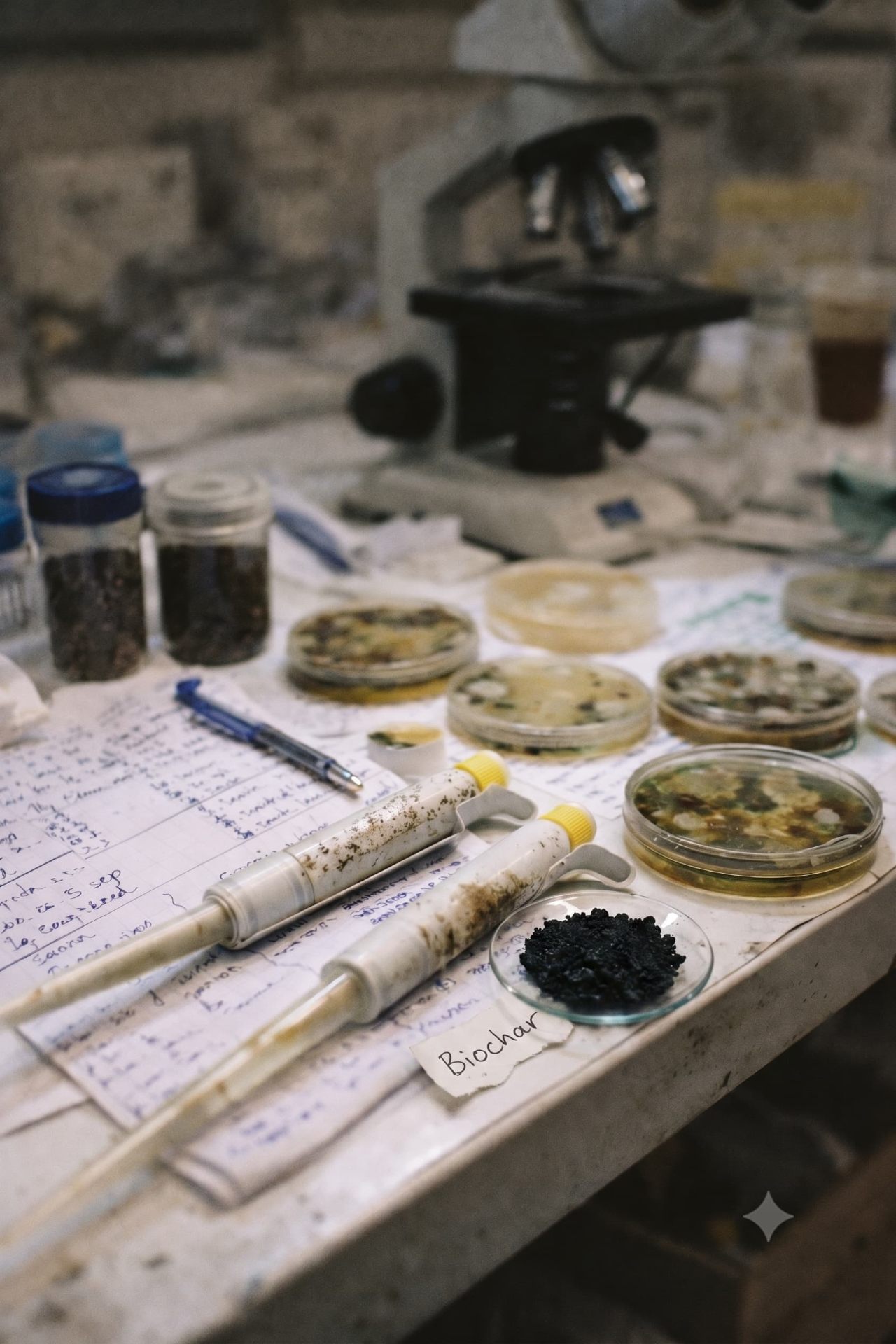
Locally adapted microbial–biochar restoration systems that rebuild soil health, strengthen water resilience, and restore degraded agricultural ecosystems.
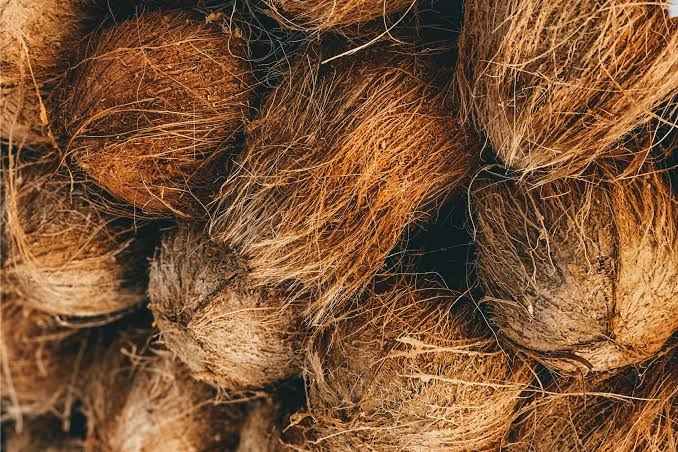
Binderless, formaldehyde-free engineered boards made from coconut husks and sugarcane bagasse.
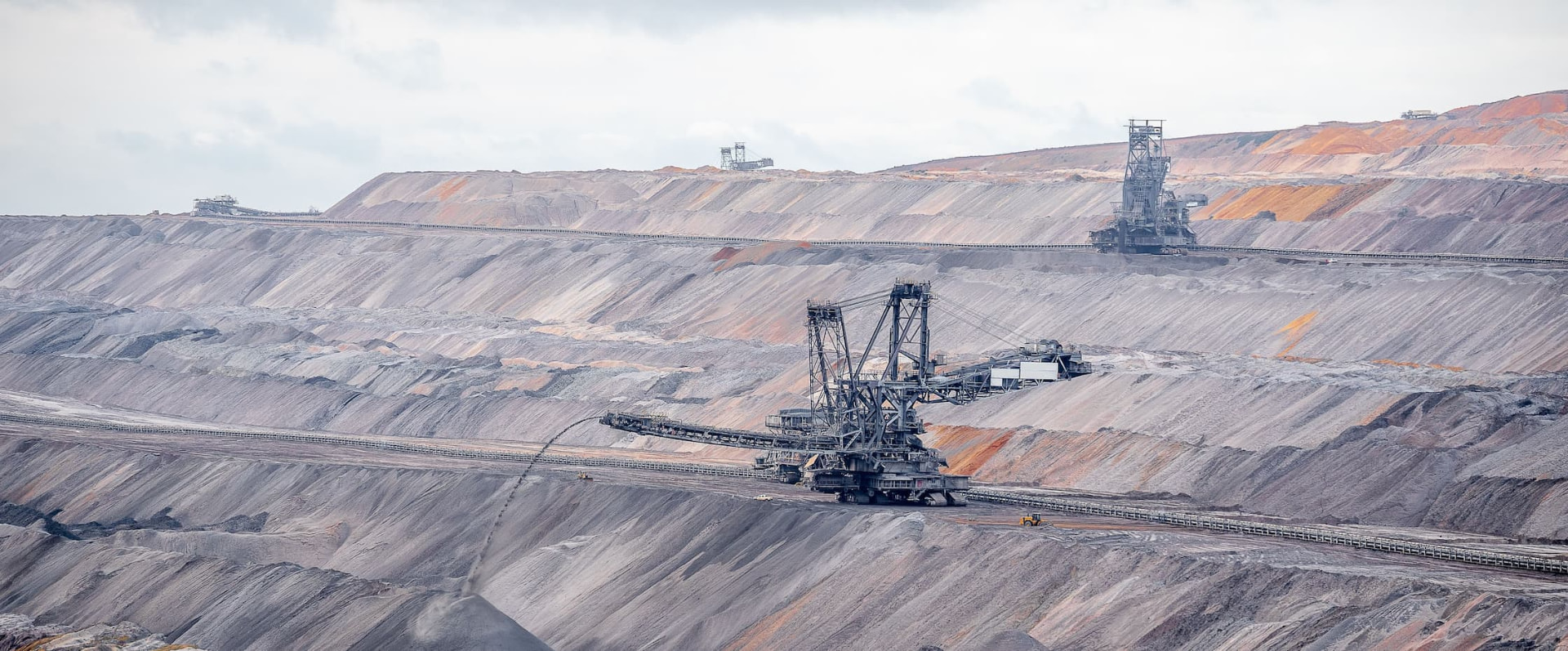
Natural soil amendments that transform mine tailings into regenerative agricultural inputs while recovering valuable resources.
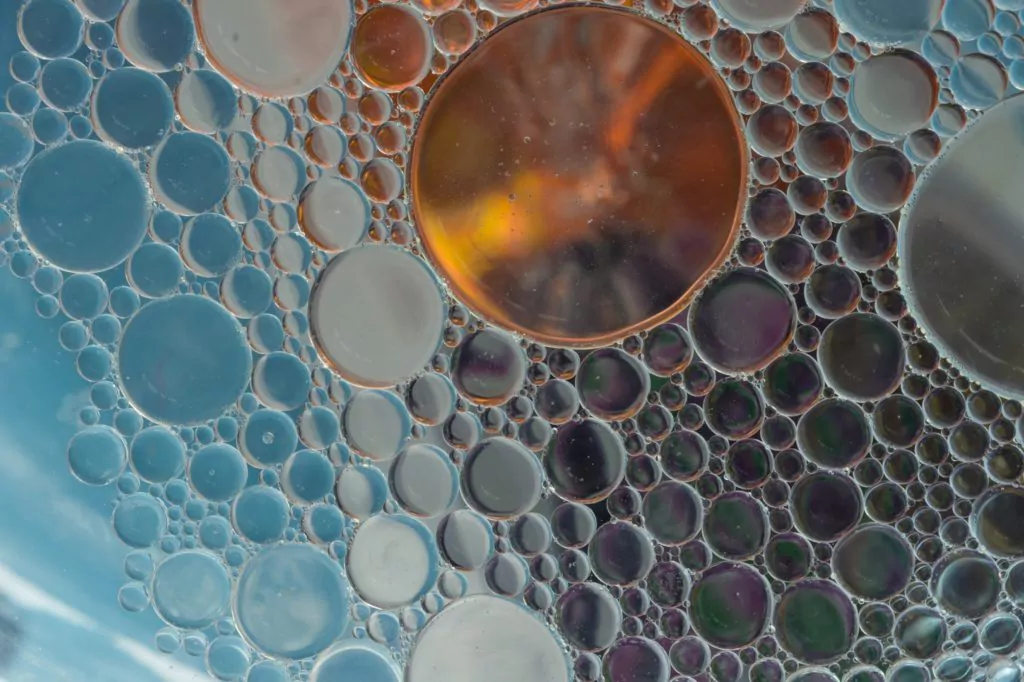
Fermentation-derived biosurfactants from vegetable oil refinery by-products — a local alternative to imported petrochemical surfactants.
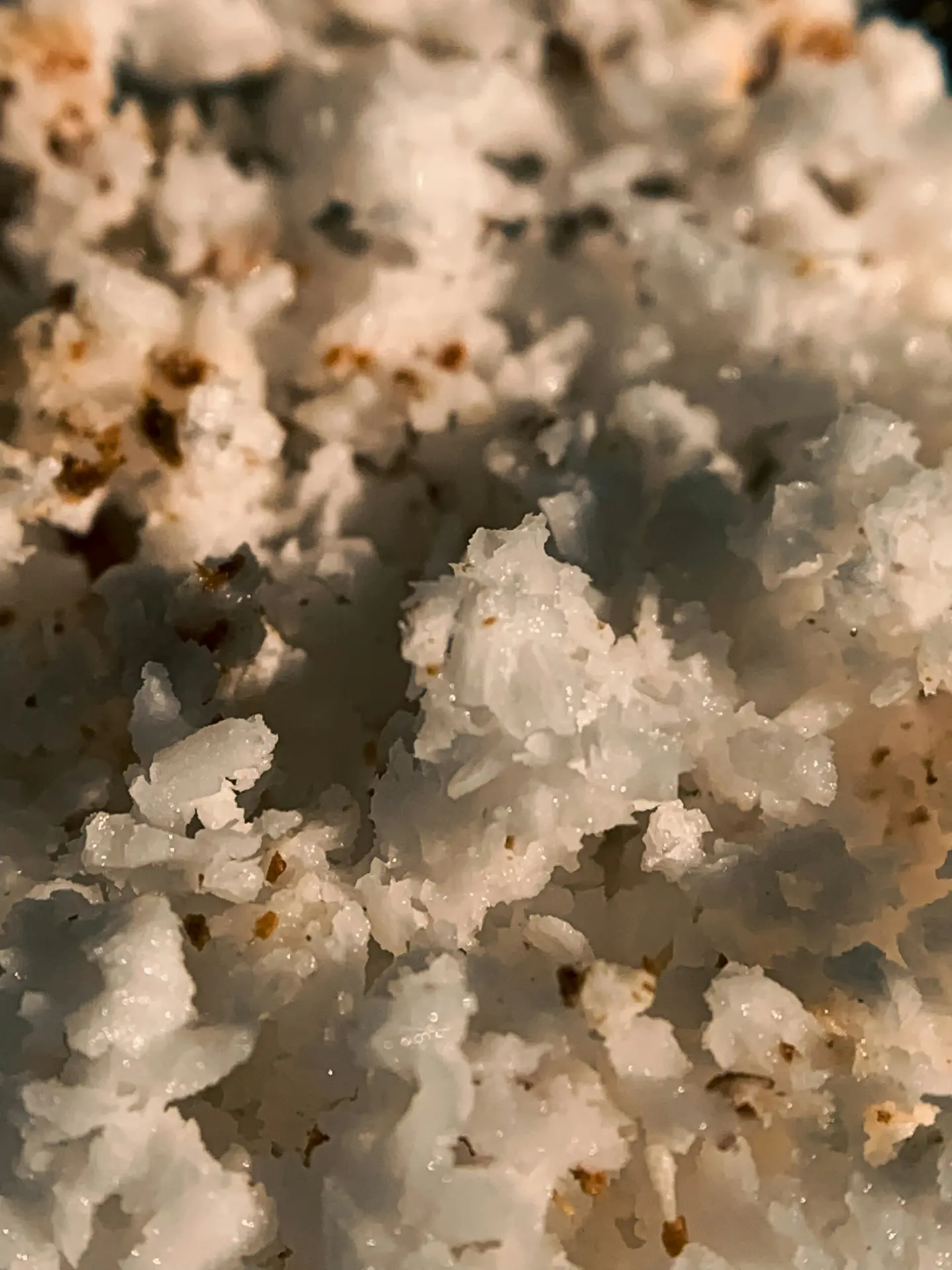
Fish waste transformed into certified marine bio-ingredients for food, nutraceutical and cosmetics manufacturers.
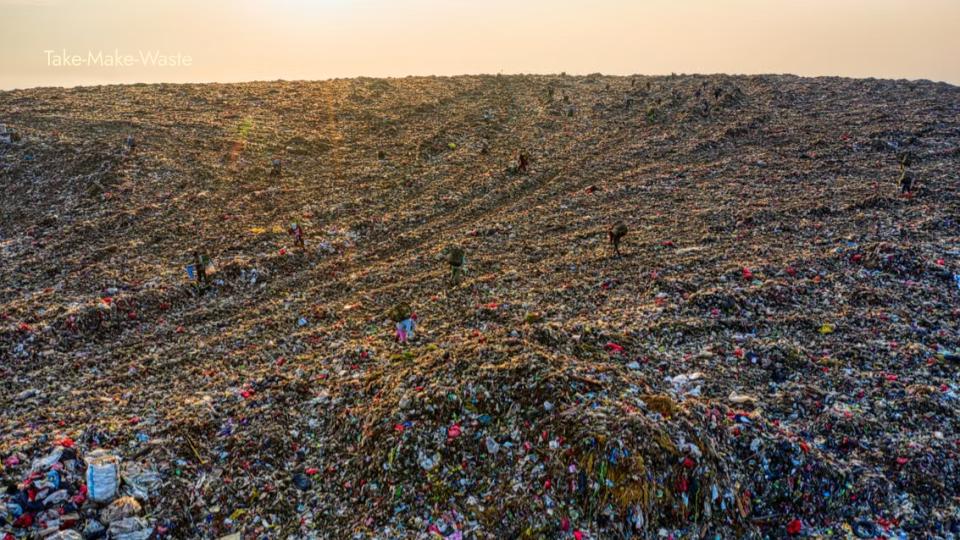
Enzymatic recycling of bioplastic-rich waste into lactic acid and other high-value bioproducts.
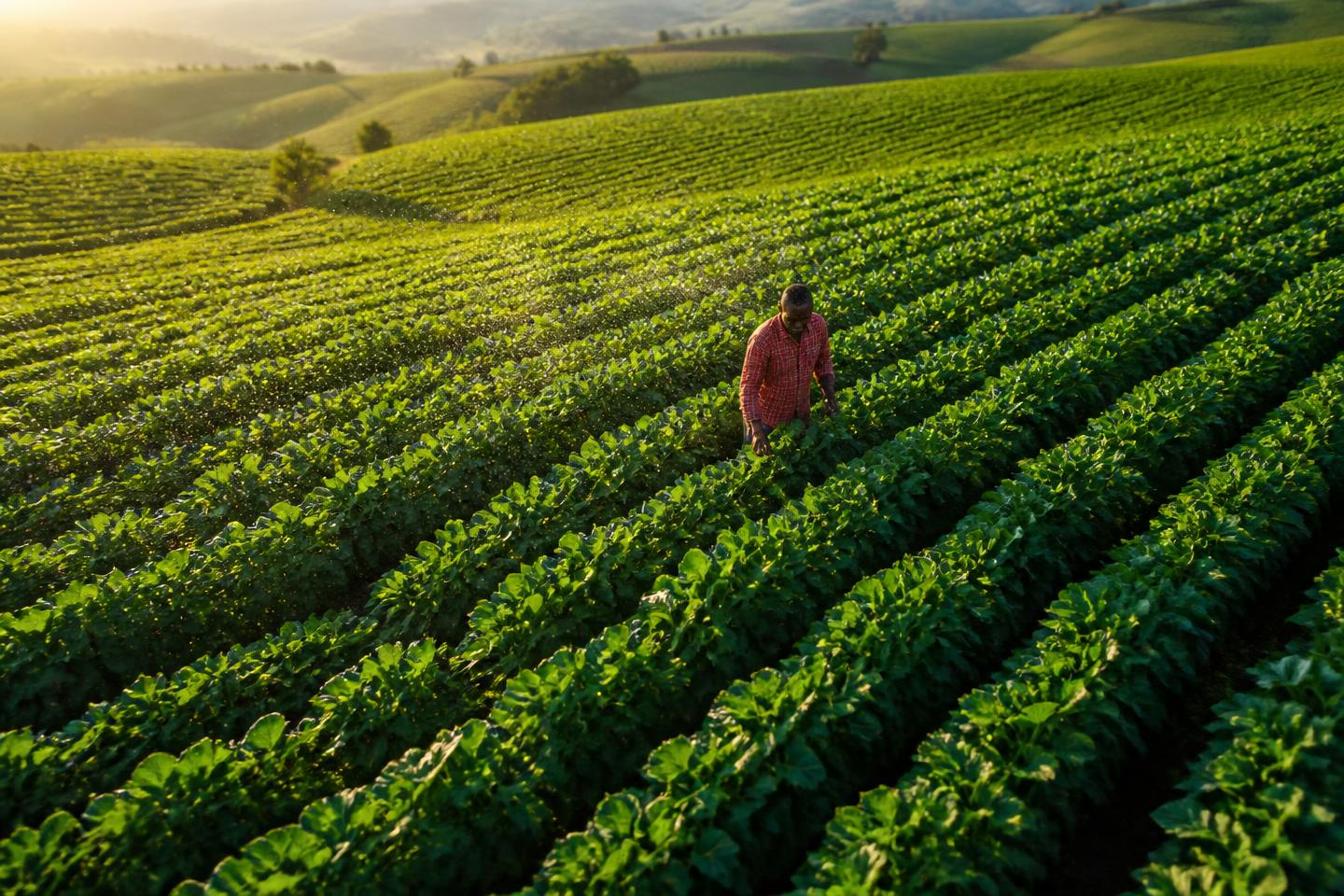
Next-generation molecular fertilisers that improve nutrient efficiency, strengthen crop performance, and help farmers produce more with fewer inputs.