

Adrian Lotter
Fundraising, EU expansion and technical support

Advanced Natural Materials
Hemp-fibre reinforced composites — a lower-carbon alternative to fibreglass and carbon fibre.
boombio.techThe problem
Fibreglass and carbon fibre are energy-intensive to produce, difficult to recycle, and carry a heavy carbon footprint. Industries that depend on lightweight, high-performance materials have had few credible sustainable alternatives.
Boom Bio's approach
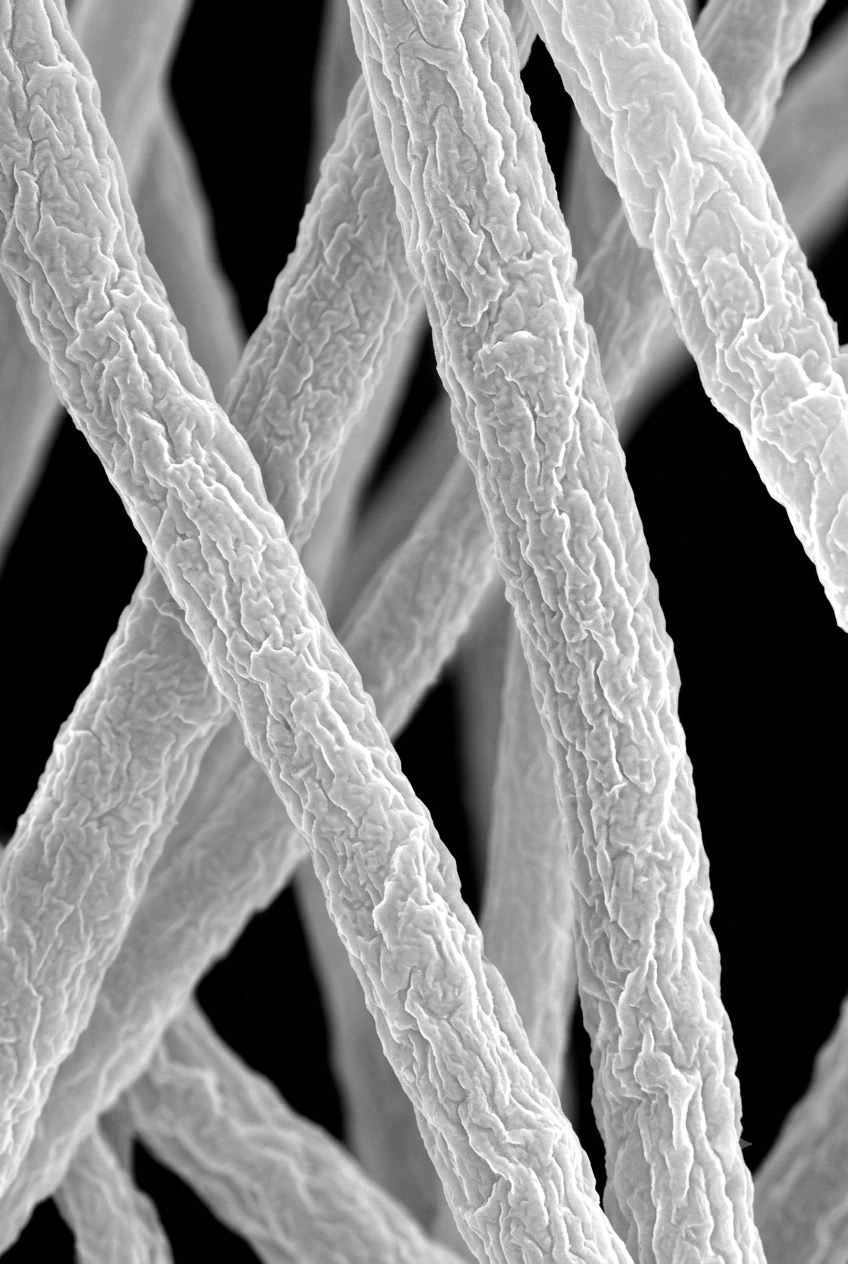
Boom Bio engineers hemp-fibre reinforced composite materials that replace conventional reinforcements in high-performance applications. Natural fibres are renewable, lightweight, and can be grown and processed locally — supporting shorter, more resilient supply chains alongside lower lifecycle emissions.
Where it's used
Boom Bio's engineered reinforcements are designed for demanding applications across the automotive, aerospace, marine, motorsport, and watersports industries.
Impact
Renewable natural fibres reduce lifecycle emissions, cut weight, and rebuild local supply chains for advanced manufacturing.
Lower-carbon materials
Renewable natural fibres reduce the lifecycle emissions of composite products.
Lighter structures
Weight savings over fibreglass improve energy efficiency in vehicles and vessels.
Local supply chains
Locally grown and processed fibre supports import substitution and sustainable manufacturing in South Africa.
Partners & ecosystem
Boom Bio works with research institutions, fibre producers and industry partners including the Council for Scientific and Industrial Research (CSIR), Valorizen, Innovicraft, Green-Route Hemp Industries, Hemposapiens, Svenmill, FUSE, Mellowcabs, Stroom, Paddleyak, and Formula Student Africa (UCT Racing Team).
The founding team
Fundraising, EU expansion and technical support

Product development, operations and business strategy

Sales, commercial strategy and finance
More from the portfolio

Microbial soil diagnostics and regenerative agriculture consulting for farmers.
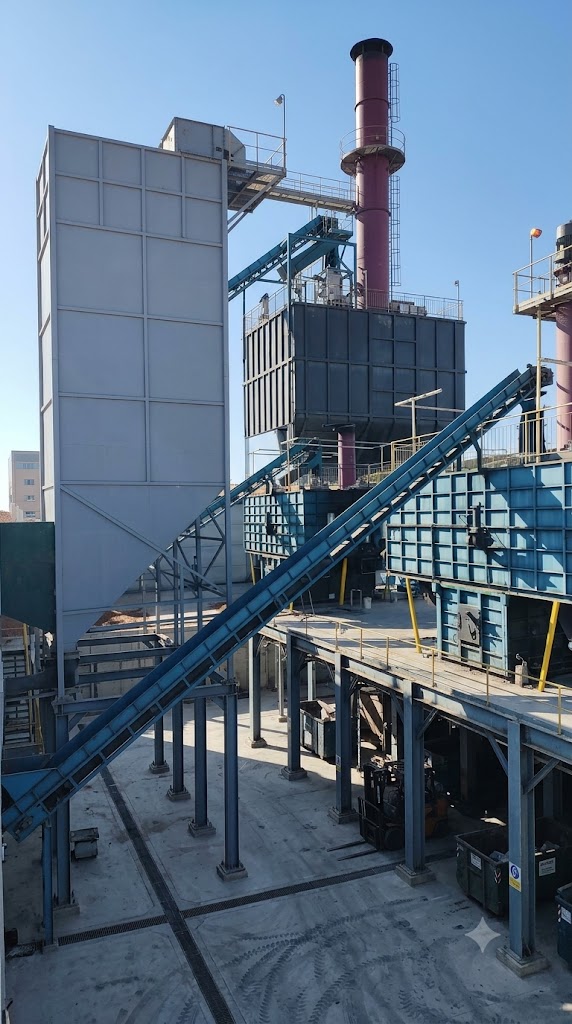
Biochar carbon removal — converting woody biomass into durable biochar, credits and heat.
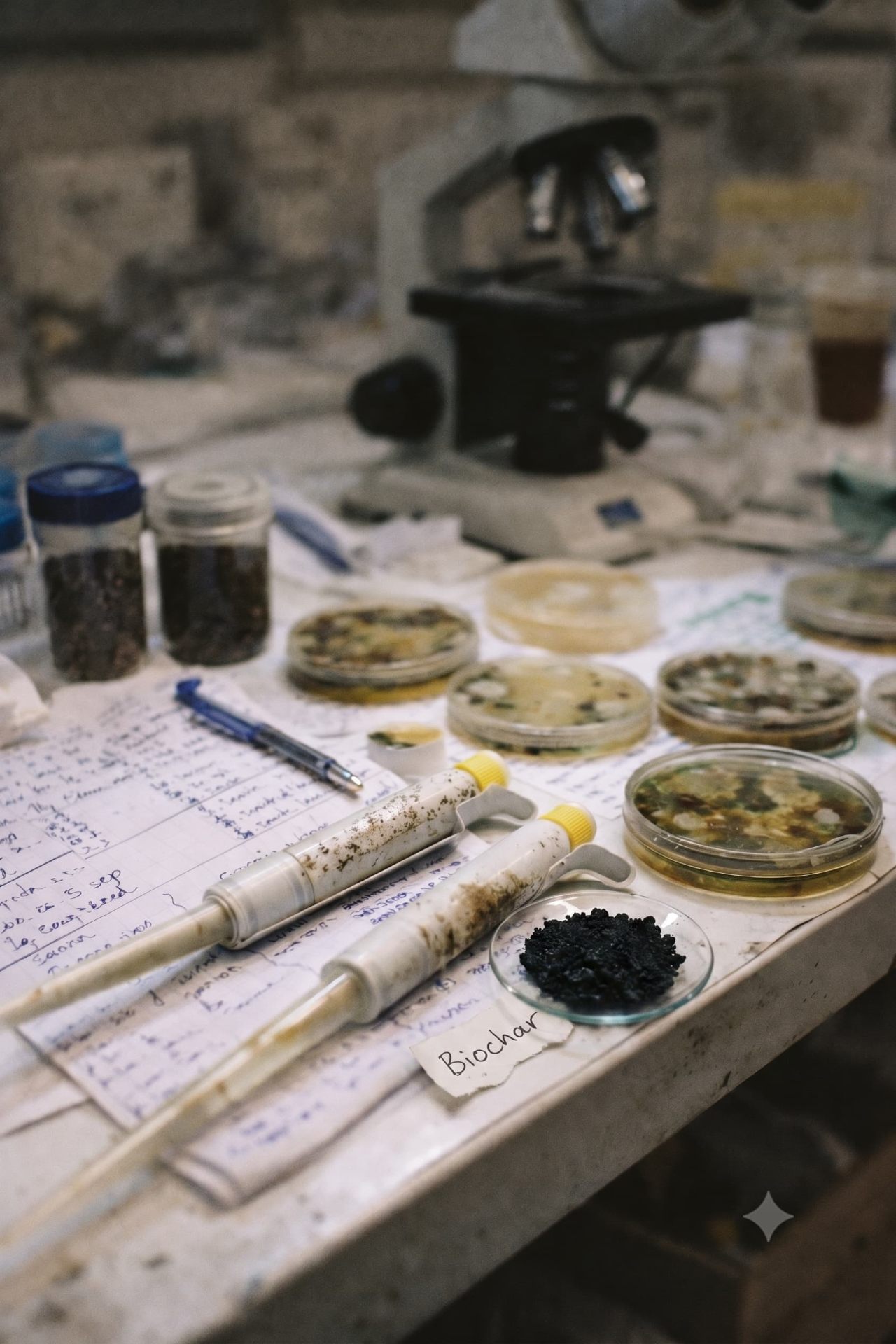
Locally adapted microbial–biochar restoration systems that rebuild soil health, strengthen water resilience, and restore degraded agricultural ecosystems.
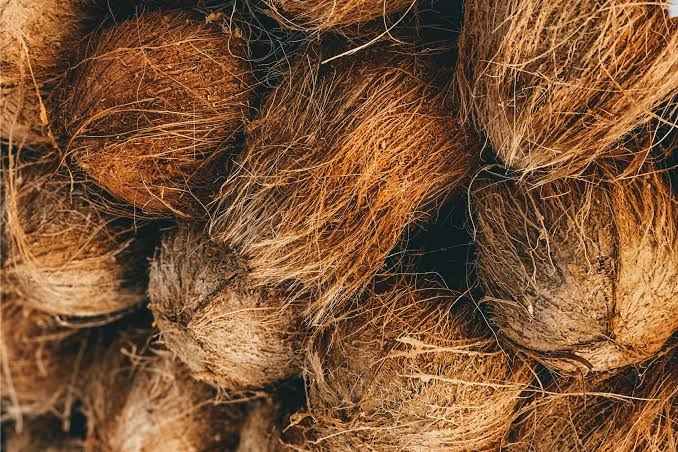
Binderless, formaldehyde-free engineered boards made from coconut husks and sugarcane bagasse.
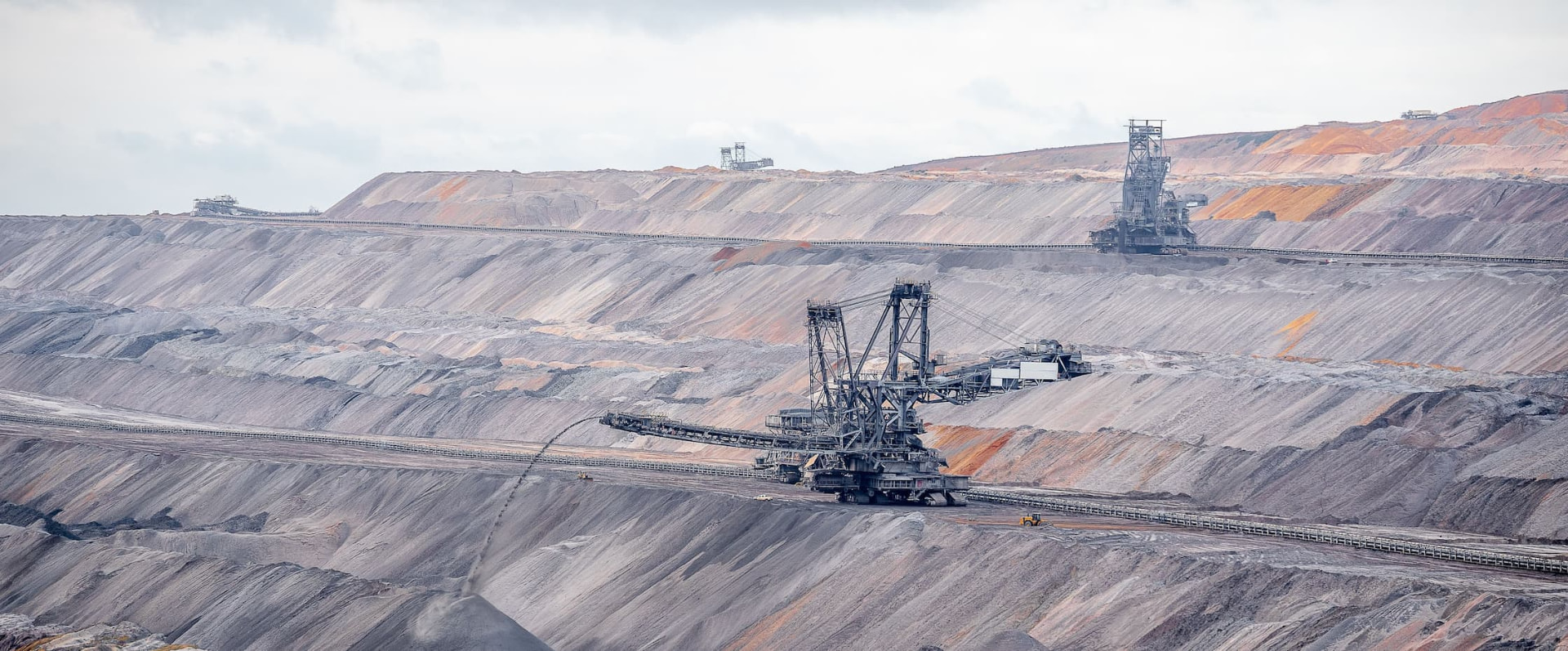
Natural soil amendments that transform mine tailings into regenerative agricultural inputs while recovering valuable resources.
Fermentation-derived biosurfactants from vegetable oil refinery by-products — a local alternative to imported petrochemical surfactants.
Fish waste transformed into certified marine bio-ingredients for food, nutraceutical and cosmetics manufacturers.
Enzymatic recycling of bioplastic-rich waste into lactic acid and other high-value bioproducts.
Next-generation molecular fertilisers that improve nutrient efficiency, strengthen crop performance, and help farmers produce more with fewer inputs.
Biomass-derived nanomaterials that capture carbon dioxide and recover valuable metals from industrial waste streams.