SAILOR
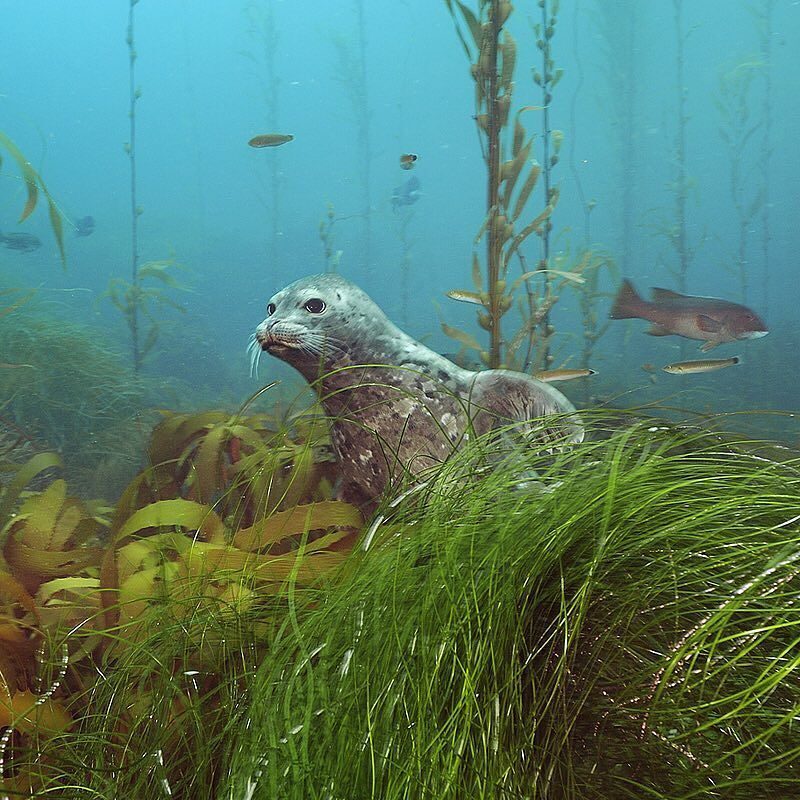
A seal swimming through a South African kelp forest.

UN Ocean Decade endorsed

Guiding Ocean-Climate Futures

SAILOR is a coordination platform enabling the responsible development of ocean-climate solutions from within South Africa.

The What

We bring together coastal communities, researchers, funders and practitioners within shared working frameworks, translating ocean-climate research into carefully governed pilot programmes — with a focus on marine carbon dioxide removal (mCDR), water and supply chain linkages, and ecosystem restoration.

Operating as connective infrastructure, we enable scientific grounding, community activation, aligned funding and progression toward pilots within open lab environments. Innovation pathways are adapted and built locally within coastal communities, while welcoming global collaboration, so ocean-climate solutions advance safely, inclusively and with long-term care.

SAILOR is UN Ocean Decade endorsed as part of the Global Ecosystem for Ocean Solutions. Its work is guided by scientific advisory and integrity oversight through Stellenbosch University's School for Climate Studies, acting on behalf of the South African Carbon Dioxide Removal Reference Group and SArOCCO.
The Why

To guide ocean-climate solutions to emerge responsibly and inclusively from within South Africa.

Rising greenhouse gas emissions are warming the ocean, increasing acidity and accelerating biodiversity loss in South Africa and across the globe. Sitting at the meeting point of three oceans, South Africa's coast holds significant potential to buffer climate impacts and support new regenerative industries — when grounded in science and approached with collective support and care.

The How

SAILOR's purpose to guide ocean futures comes to life through five core pillars.

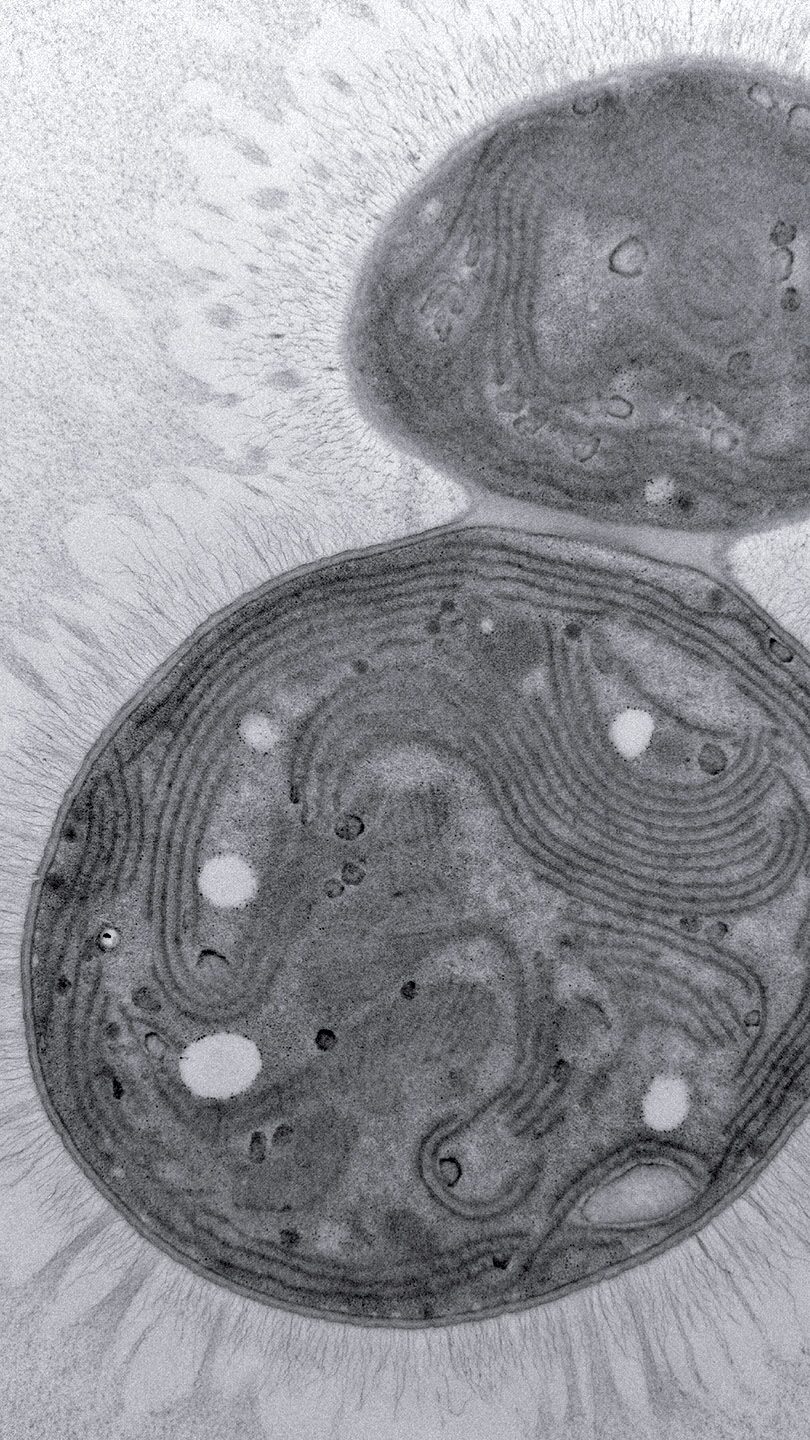
Microscopic view of cellular structures.
01

Rigorous

Science and safety first.

SAILOR holds all activity to the highest governance standards, working with leading researchers, policy makers and institutions locally and globally. Measurement and verification are present before experimentation begins, so solutions advance only where safety and responsibility are demonstrated.

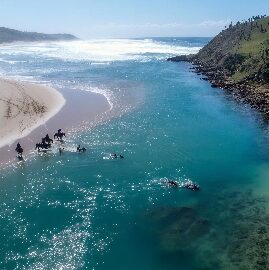
People swimming in a coastal estuary on the South African shoreline.
02

In-Community

Shaped with the coast.

SAILOR is shaped with coastal communities, informed by their long-standing relationships and traditions tied to the ocean. Acknowledging histories of exclusion, inclusion sits at the centre of how pilots are conceived and carried forward, with livelihoods treated as integral to climate action rather than its outcome.

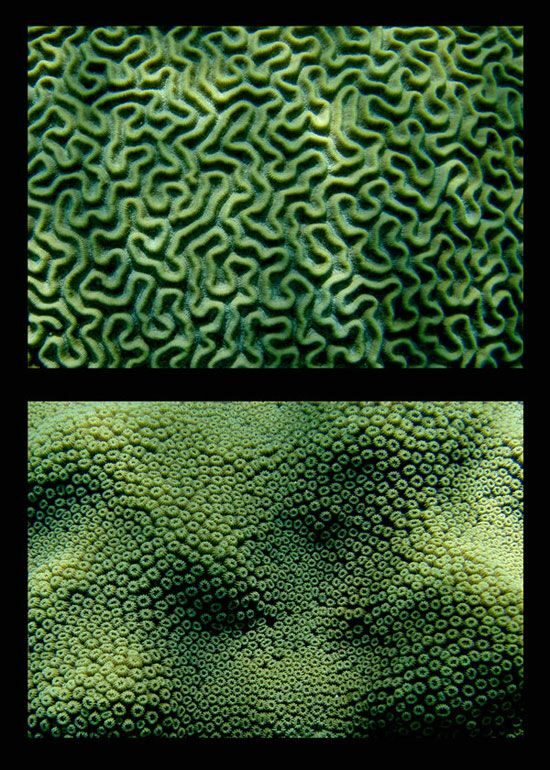
Close-up texture of brain coral.
03

Trans-Disciplinary

Through a knowledge network.

Researchers, coastal communities, institutions, industry and funders work inside one shared knowledge network. Scientific expertise, indigenous knowledge and industry experience are held in relation to one another, with decisions emerging through informed dialogue rather than hierarchy.

A seal swimming through a South African kelp forest.
04

South African

Authored from within.

SAILOR is led from South Africa and informed by its coastlines, ecosystems, indigenous practices and industrial histories across three oceans. It champions African knowledge leadership in ocean-climate solutions, with a core focus on mCDR, allowing innovation pathways to be adapted and built locally.

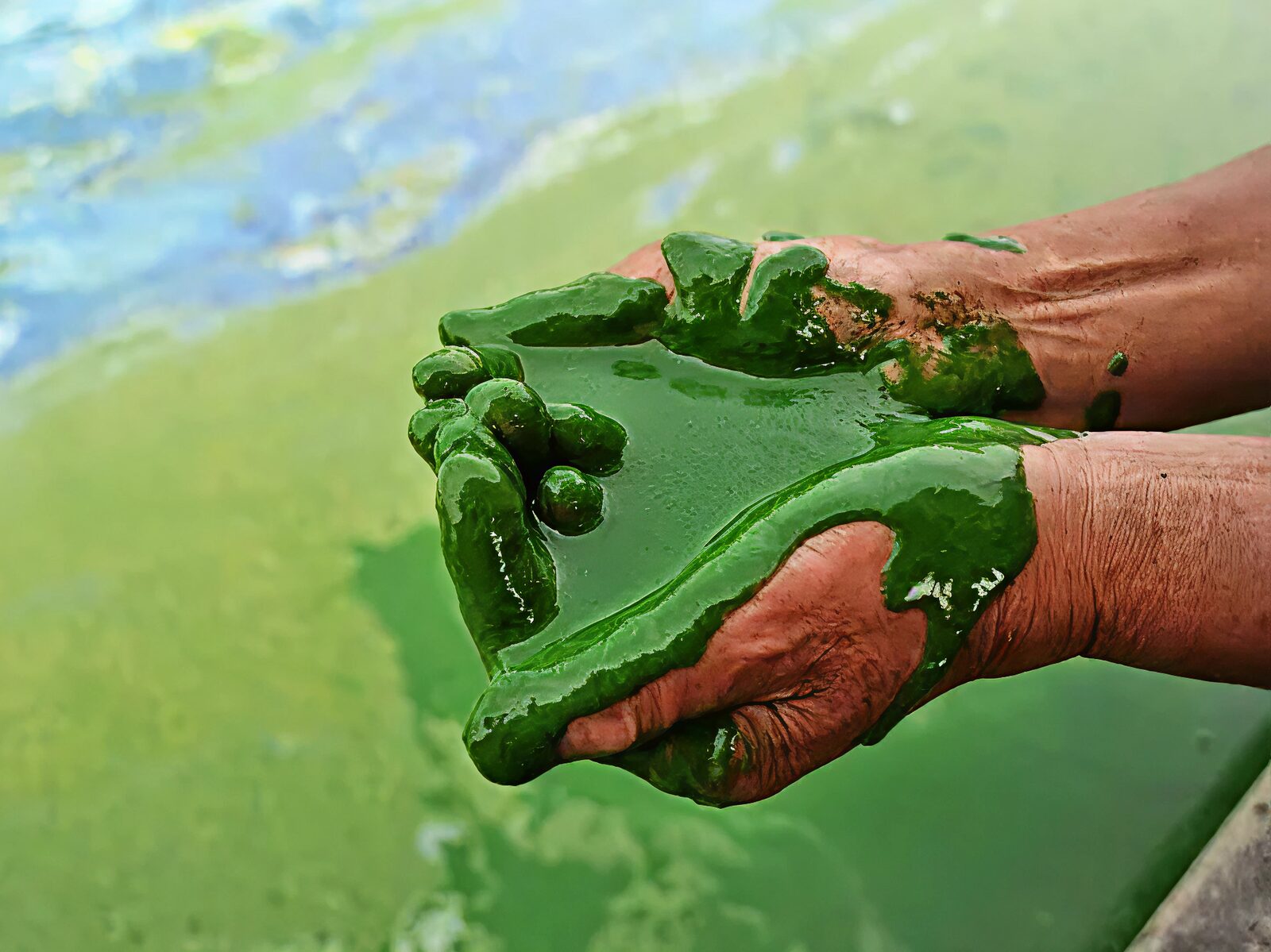
Hands lifting green algae from the water.
05

Open

From lab to ocean, shared by design.

SAILOR operates as an open platform, welcoming local and global innovation. Pilots are proved in closed systems before being slowly and safely brought to the ocean. Knowledge circulates through transparent exchange, with data, learning and process held collectively.

What is marine carbon dioxide removal?

Marine carbon dioxide removal (mCDR) enhances the ocean's natural ability to absorb and store atmospheric carbon, through approaches like ocean alkalinity enhancement, kelp cultivation and coastal restoration. SAILOR coordinates the careful translation of mCDR research into governed pilots, ensuring work advances with scientific integrity, community authorship and long-term care.

The Benguela Current. The Agulhas Current. The Southern Ocean.

South Africa sits where three oceans meet: the Atlantic and Indian converge along 3,000 kilometres of coastline, abutted by the Southern Ocean, creating one of the planet's most dynamic marine environments.

That position, combined with diverse ecosystems, research infrastructure and deep coastal knowledge systems, makes South Africa vital to ocean-climate innovation. SAILOR is born from this landscape.

The Who

SAILOR is defined by the network it connects. The platform brings every part of the system into one shared space, so solutions are shaped with the people and places they will affect.

  • Coastal communities

    Coastal and indigenous communities stewarding the future of the ocean.

  • Science and research

    Public institutions, universities, researchers and scientists.

  • African innovation

    Entrepreneurs and practitioners developing locally authored solutions.

  • Industry and ports

    Port-linked actors seeking legitimate, responsible engagement.

  • Catalytic capital

    Local and international funders supporting research, pilots and blended finance.

  • Integrity and governance

    Advisory bodies ensuring accountability, coherence and social licence.

The people guiding SAILOR

A trans-disciplinary group spanning climate innovation, ocean observation, governance, engineering and community-rooted delivery. Together they help SAILOR move carefully from research to responsible pilots.

Core team

From strategy to sea

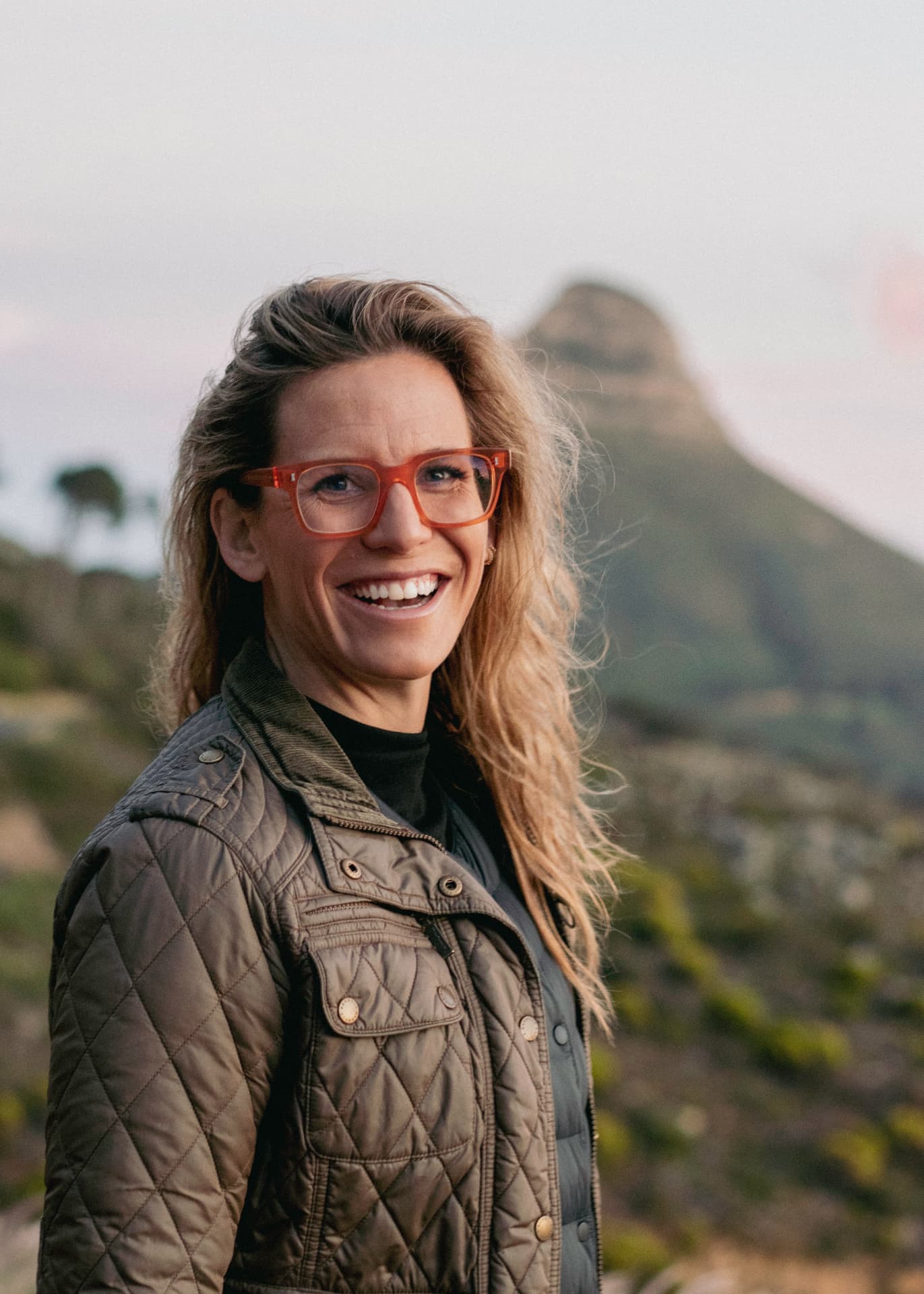
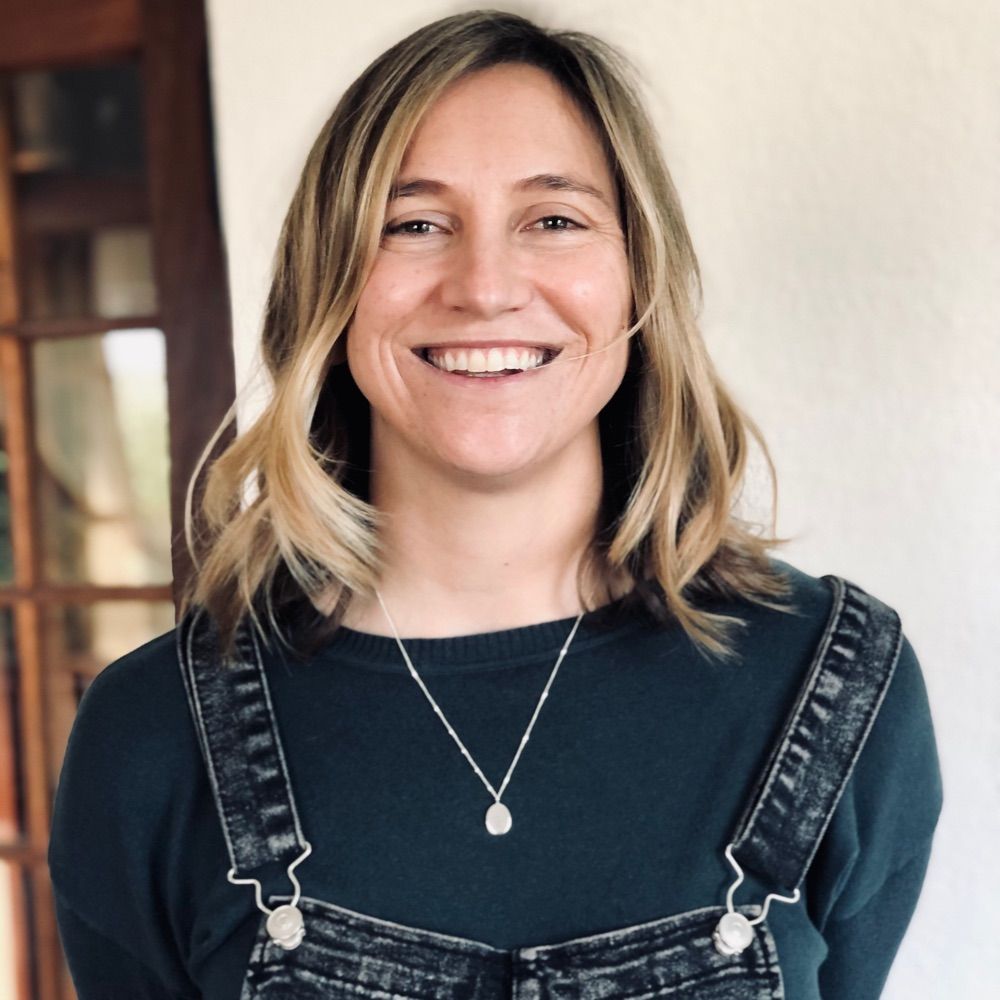
Portrait of Caitlin Wale

Caitlin Wale

SAILOR Lead · Kinjani House NPC

Connects the SAILOR network and guides the platform from strategy into action.

Portrait of Dr Sarah-Anne Nicholson

Dr Sarah-Anne Nicholson

Science & MRV Lead · CSIR–SOCCO

Leads the scientific framework for measurement, reporting and verification.

OW

Oliver Wale

Feedstock, LCA & Governance · Wessex Water

Brings wastewater expertise to feedstock pathways, life-cycle analysis and governance.

SH

Dr Siyabulela Hamnca

Ocean Observation · CSIR–SOCCO

Advances ship-based carbon observation and laboratory work across the Southern Ocean.

Advisory board

Science with integrity

PM

Prof Pedro Monteiro

Science & Modelling · SA-OCCO

Advises on ocean-carbon science, modelling and South Africa’s research landscape.

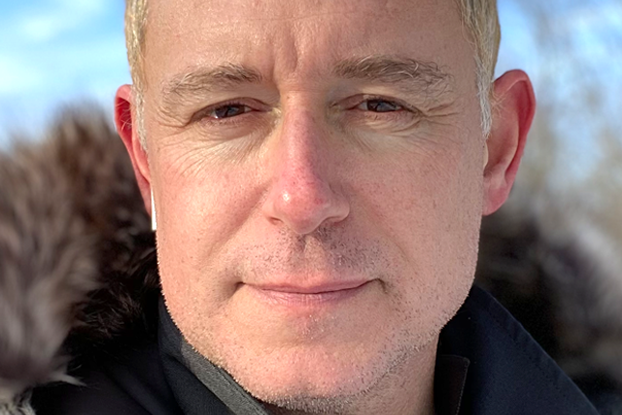
Portrait of Prof Emanuele Di Lorenzo

Prof Emanuele Di Lorenzo

Ocean-Climate Innovation

Connects global ocean-climate expertise, technical development and partner networks.

JB

Judy Beaumont

Governance & Social Licence · IOI-SA

Brings deep experience in environmental governance, coastal management and public policy.

JB

Prof Jacques Bezuidenhout

Local Governance · Saldanha Bay

Contributes local site knowledge, water-quality governance and applied physics expertise.

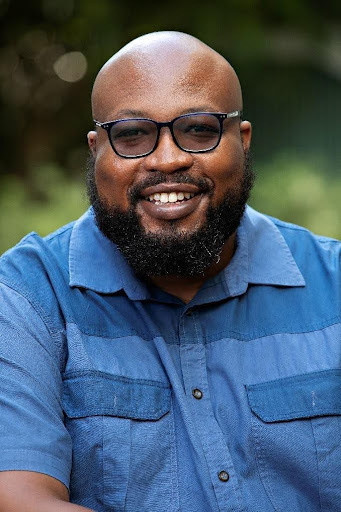
Portrait of Dr Zakhele Nkosi

Dr Zakhele Nkosi

Mine Waste & Carbon Capture · University of Pretoria

Explores responsible mineral feedstocks and carbon capture pathways using mine waste.

Aerial view of a South African estuary meeting the open ocean.

Build the pilot with us

Researchers, coastal organisations, port-linked industry and funders — SAILOR is open by design. Tell us where you sit in the network.